7 strategier for verveprogrammer som fyller restauranten din
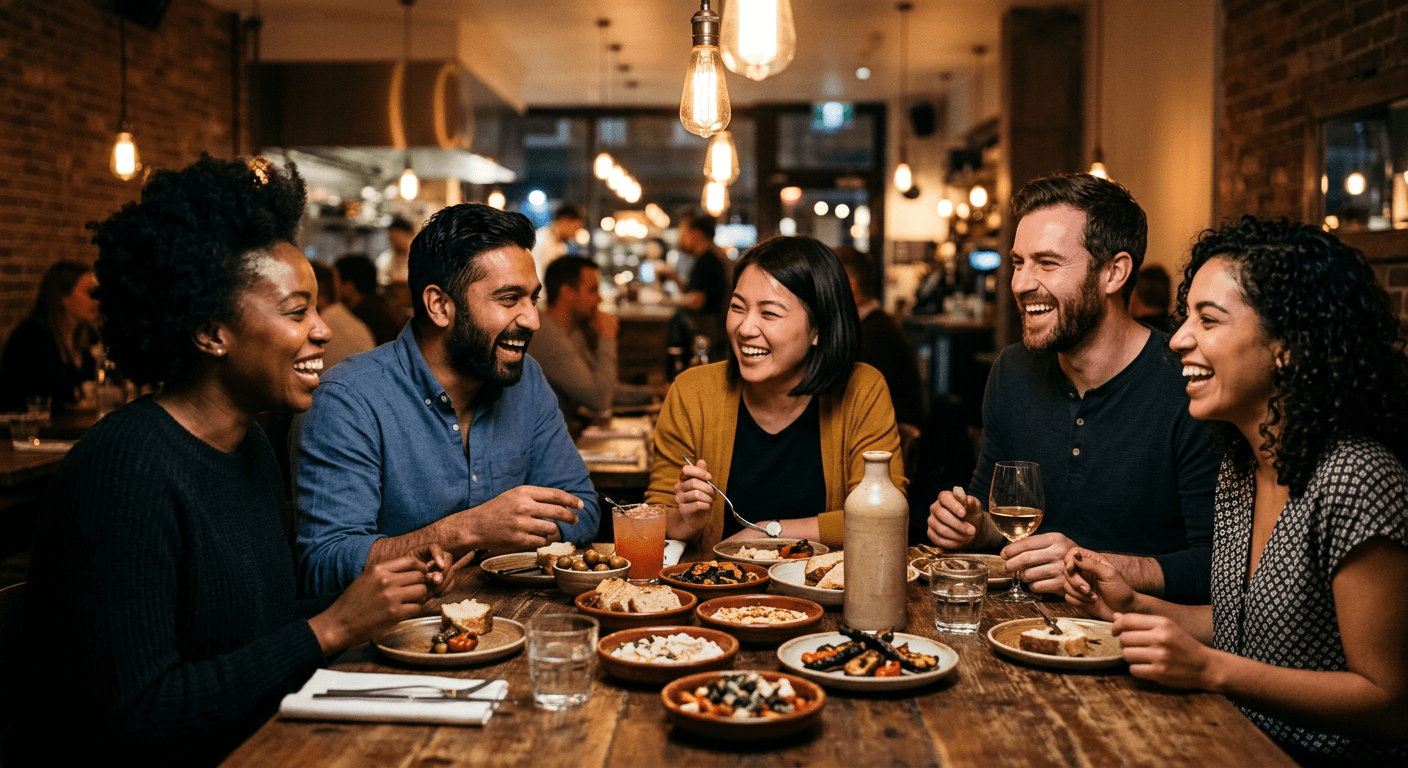
Hvorfor brenne av 50 000 kroner på annonser når stamgjestene dine kan gjøre jobben for deg? Jungeltelegrafen er den eneste markedsføringsvalutaen som aldri mister verdi. Et strukturert verveprogram forvandler tilfeldig skryt til en forutsigbar motor for kundeanskaffelse med høy avkastning.
Innfør tosidige belønninger
Psykologien bak verving er enkel: Gjester misliker følelsen av å «selge» noe til vennene sine. Forskning fra Harvard Business School viser at verveprogrammer der mottakeren får belønninger, rekrutterer betydelig flere nye kunder enn modeller der bare avsenderen får noe. Hvis personen som deler lenken føler at de gir bort en gave fremfor å kreve inn en dusør, er sannsynligheten for deltakelse mye større.
I stedet for å bare gi ververen en rabatt, bør du prøve en «gi 100 kr, få 100 kr»-modell. Dette fjerner det sosiale ubehaget. Når vennen føler at de mottar en reell fordel, kan konverteringsraten i de beste programmene nå 8 % eller høyere. Vellykkede merkevarer som Chip City Cookies har brukt tosidige belønninger for å doble kundebasen ved å gjøre hver gjest til en ambassadør.

Bruk nivådelte programmer
En gjest som skaffer deg fem nye kunder, bør ikke behandles likt som en som skaffer deg én. Data indikerer at nivådelte programmer øker engasjementet med 22 %, og medlemmer på de øverste nivåene har ofte en 12–15 % høyere gjennomsnittlig regning. Denne strukturen belønner «superververne» som skaper mest verdi for deg.
Vurder å opprette en toppliste for verving eller VIP-nivåer som kan låses opp. Når en gjest når en bestemt terskel for vellykkede vervinger, kan du gi tilgang til eksklusive fordeler, som en fast rabatt eller en «hemmelig» meny. Slik gamifisering holder dine mest lojale fans motivert til å spre ordet over tid.
Tilby opplevelsesbaserte insentiver
Rabatter er nyttige, men de kan over tid vanne ut merkevarens verdi. Opplevelsesbaserte belønninger – som en plass ved «Chef’s Table» eller en smaksprøve på retter som ikke står på menyen – har ofte en høyere opplevd verdi for gjesten, samtidig som det koster deg mindre i råvarer og arbeidskraft. Atferdsforskning tyder på at minneverdige opplevelser ofte trumfer rene kontantrabatter.
Ved å bruke ditt lojalitetsprogram for restauranter til å identifisere dine viktigste ververe, kan du tilby dem fordeler som ikke kan kjøpes for penger. Dette kan inkludere en privat omvisning på kjøkkenet eller en invitasjon til en eksklusiv forhåndsvisning av en ny sesongmeny. Slike unike øyeblikk skaper en følelsesmessig tilknytning som en enkel kupong aldri kan matche.
Sørg for umiddelbar belønning
Et verveprogram feiler hvis belønningen føles for fjern. Programmer som krever mer enn ti besøk før man får noe igjen, ser 50 % lavere engasjement enn de som tilbyr raske resultater. Gjester må se fruktene av vervingen raskt for å opprettholde interessen.
Sørg for at belønningen utløses i det øyeblikket vennen gjennomfører sitt første kjøp. Du kan bruke markedsføringsautomatisering for restauranter til å sende en automatisk SMS eller e-post til ververen med deres opptjente kreditt. Dette umiddelbare dopaminrushet oppmuntrer dem til å gjenta handlingen og finne enda flere venner å verve.
Samarbeid med nabolaget
Den lokale kaffebaren eller klesbutikken er ikke konkurrenten din – de er potensielle partnere for kundeanskaffelse. Slike samarbeid lar dere dele kostnadene for å tiltrekke gjester med bedrifter som ikke konkurrerer direkte. Dette utvider rekkevidden din til lokalsamfunn som allerede stoler på disse etablerte aktørene.
Du kan for eksempel tilby en «nabolagsfordel» der medlemmer av det lokale treningssenteret får en gratis siderett hos deg, mens du til gjengjeld henviser dine gjester til deres treningstimer. Hvis dere velger å dele en digital lojalitetsvaluta, må dere sørge for klare juridiske avtaler om poengansvar for å beskytte marginene og avklare hvordan poeng løses inn på tvers av bedriftene.
Bruk bursdager som utløser for verving
Bursdager er den perfekte anledningen for gruppemiddager og egner seg naturlig for jungeltelegrafen. Siden bursdagsbelønninger har en innløsningsrate på hele 47 %, bør du bruke dem aktivt for å drive verving av større selskaper.
Send en automatisert e-post til gjesten to uker før den store dagen og oppfordre dem til å ta med en gruppe. Du kan tilby en gratis runde med drikke for selskaper på fire eller flere, samtidig som du gir en vervekreditt hvis de tar med en venn som ikke allerede er i systemet ditt. Dette forvandler én enkelt feiring til et bord fullt av potensielle nye stamgjester.
Fjern teknologisk friksjon
Det som dreper jungeltelegrafen raskest, er en tungvint registreringsprosess. Hvis de ansatte må bytte mellom tre forskjellige skjermer for å registrere en verving, vil det i praksis ikke skje. Fragmenterte teknologiløsninger kan redusere sporing av innløsninger med 30 %, noe som fører til mangelfulle data og frustrerte gjester.
For at verving skal fungere i en travel hverdag, trenger du et system som er så intuitivt at det ikke krever opplæring. Bruk av en integrert POS- og lojalitetsplattform sikrer at vervekoder spores automatisk, enten det er ved bordet, i selvbetjente kiosker eller i leveringsapper. Når alt håndteres på én enhet, holdes ditt CRM-system for restauranter oppdatert i sanntid uten manuelt arbeid.
Et godt verveprogram er ikke bare en markedsføringstaktikk; det er en vekstmaskin. Lojalitetsmedlemmer besøker restauranter 20 % oftere og bruker 20 % mer per bestilling enn ikke-medlemmer. Ved å gi dine beste gjester insentiver til å ta med vennene sine, kjøper du ikke bare en transaksjon – du bygger et fellesskap.
Slutt å sjonglere frakoblede verktøy som føles utdaterte. Hvis du er klar for å automatisere veksten og styre hele driften fra én enkelt plattform, kan du se hvordan Spindl kan gi restauranten din superkrefter i dag.