Sikre restaurantens marginer med 4 uunnværlige rapporter fra kassesystemet
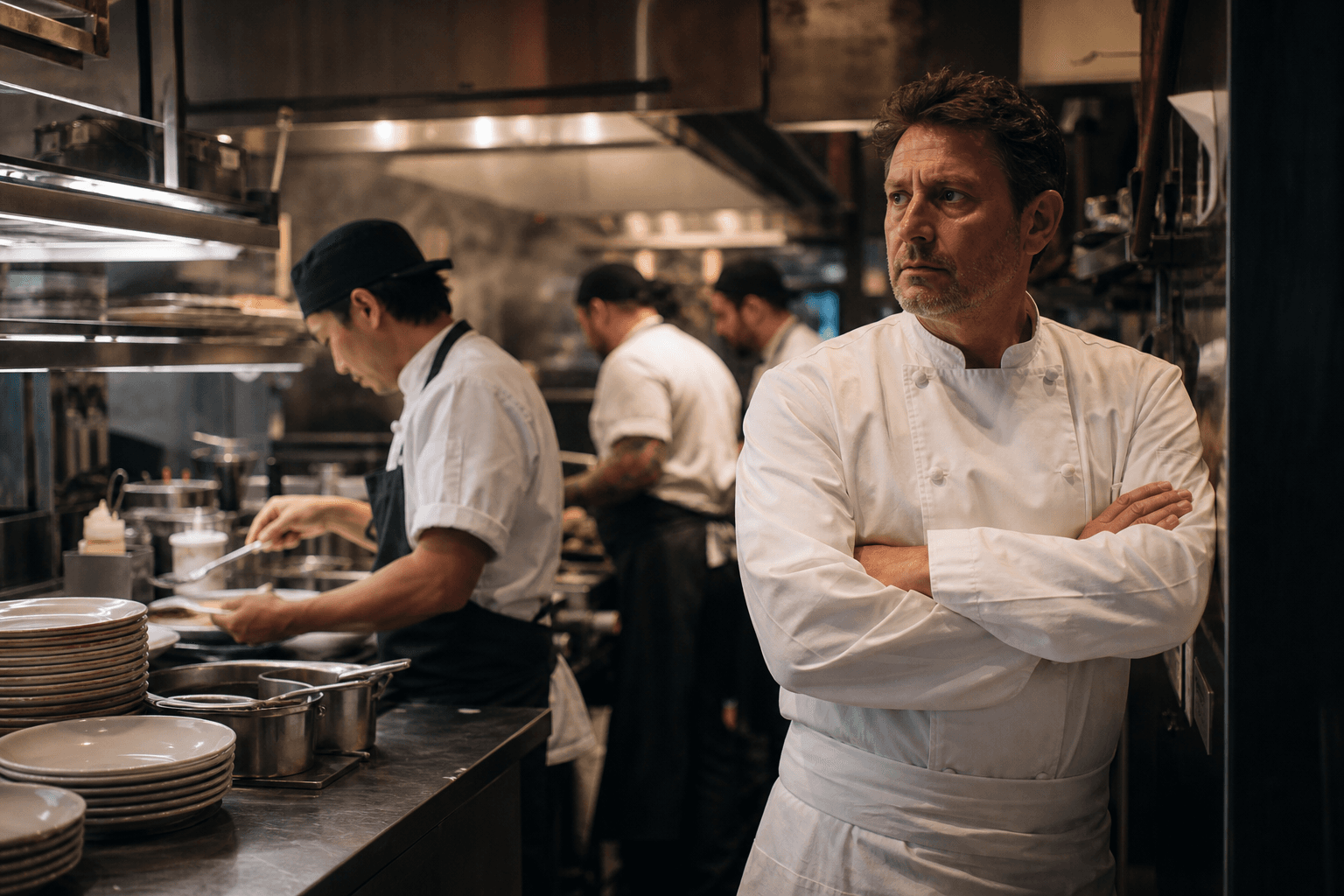
Visste du at medianmarginen for fullservice-restauranter er på skarve 2,8 prosent? Å drive et serveringssted basert utelukkende på magefølelsen er en sikker oppskrift på konkurs. For å berge bunnlinjen trenger du et kassesystem som gjør transaksjonsdata om til konkrete, marginbesparende tiltak i sanntid.
Ifølge tall fra National Restaurant Association ligger den gjennomsnittlige driftsmarginen før skatt på beskjedne 2,8 % til 4,0 % av omsetningen. Med så tynne marginer er presise data forskjellen på å overleve eller gå under. Med de rette analysene kan du enkelt avdekke svinn, optimalisere bemanningen og tyne maksimal lønnsomhet ut av hver enkelt rett på menyen.
Her er de viktigste rapportfunksjonene kassesystemet (POS) ditt bør ha for å beskytte marginene og sikre en mer effektiv drift.
Salgsprestasjoner og menyoptimalisering
Råsalgstall forteller deg bare hvor mye penger som kom inn på konto, ikke hvordan du kan tjene mer. Skal du optimalisere menyen, trenger du salgsrapporter på produktnivå som gjør det enkelt å ta smarte, datadrevne valg.
Et moderne kassesystem bør automatisk plassere rettene dine i en klassisk matrise for menyutvikling (menu engineering) basert på popularitet og lønnsomhet:
- Stjerner (Stars): Høy popularitet og høy lønnsomhet. Gi disse en fremtredende plass på menyen, og lær opp de ansatte til å anbefale dem aktivt.
- Arbeidshester (Plowhorses): Høy popularitet, men lav lønnsomhet. Vurder en forsiktig prisøkning eller juster porsjonsstørrelsen for å redusere råvarekostnadene.
- Puslespill (Puzzles): Lav popularitet, men høy lønnsomhet. Gi dem mer oppmerksomhet på menyen, eller kjør interne salgskonkurranser blant de ansatte.
- Hunder (Dogs): Lav popularitet og lav lønnsomhet. Disse bør du fjerne fra menyen uten å nøle.
Med produktmiksrapporter slipper du å gjette hvilke retter som faktisk bærer seg, og kan i stedet ta beslutninger basert på harde fakta. Les guiden vår om beste praksis for bruk av POS-analyser i restauranter for å lære hvordan du bygger opp menyen for å øke den gjennomsnittlige snittbongen. Å spore disse endringene over tid gir også verdifull innsikt i kundeadferd fra POS-data, noe som er gull verdt for sesongbasert markedsføring og menyplanlegging.
Sanntidslager og full kontroll på varekostnadene
Driver du fortsatt lagerstyring med penn, papir og månedlig gjettelek? Da taper du penger hver eneste dag. Råvarekostnader utgjør vanligvis mellom 28 % og 32 % av omsetningen. For å holde dette tallet nede, må du koble varelageret direkte til kassesystemet i sanntid.
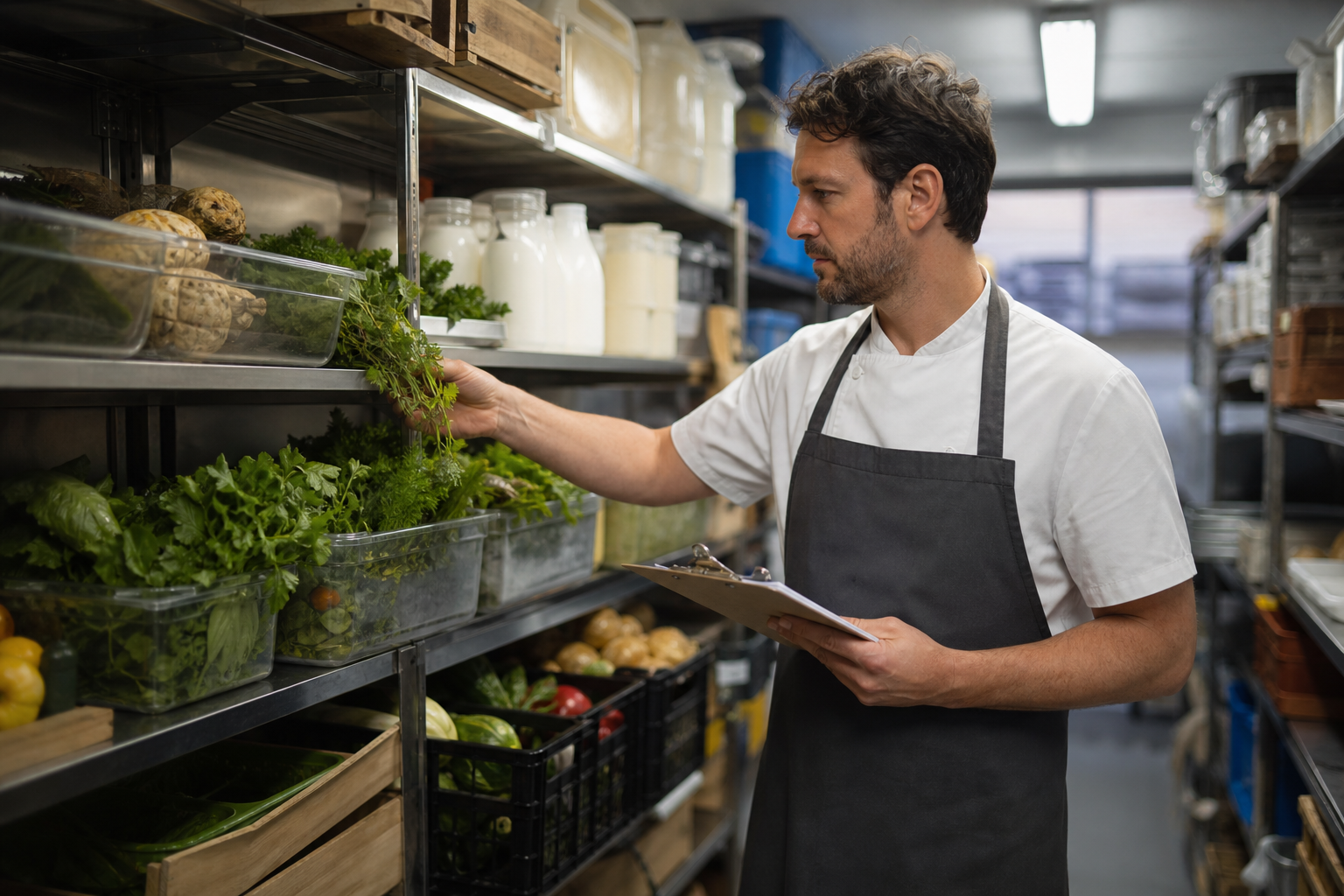
Kassesystemet bør spore lagerbeholdningen i sanntid helt ned på ingrediensnivå. Når en gjest bestiller en kyllingsandwich, skal systemet automatisk trekke nøyaktig mengde kylling, dressing og brød fra varelageret.
Den viktigste indikatoren du må følge med på, er avviket mellom teoretisk og faktisk forbruk. Hvis kassesystemet viser at du burde ha brukt 22 kilo indrefilet basert på salget, men varetellingen viser at 25 kilo er borte, har du et problem med svinn, feilporsjonering eller tyveri. Du kan ikke fikse det du ikke måler. Ved å integrere kassesystemet med lagerstyringssystemer fjerner du manuelle inntastingsfeil, reduserer matsvinn og automatiserer innkjøpene før du går tom for kritiske råvarer.
Smart bemanningsplanlegging basert på faktiske behov
Personalkostnader er den største påvirkbare utgiften du har. Skal du kutte kostnader uten at det går ut over gjesteopplevelsen, må vaktlistene speile det faktiske salgsmønsteret.
Standard vaktplanverktøy tar sjelden høyde for de brå svingningene i den daglige driften. Kassesystemet bør derfor spore salg per arbeidstime (SPLH – Sales per Labor Hour). Dette gir deg nøyaktig innsikt i hvor effektivt teamet jobber under de travleste periodene.
Se etter verktøy som bruker historiske salgsprognoser til vaktplanleggingen. Ved å analysere tidligere salgstall, lokale arrangementer og værmeldinger, kan KI-drevet planlegging redusere personalkostnadene med 5 % til 15 %. I stedet for å overbemanne "for sikkerhets skyld", kan du sette opp nøyaktig den bemanningen som trengs for å takle det forventede rykket. Hvis du vil ha konkrete tips til å effektivisere vaktlistene og redusere kostbar personalomsetning, kan du lese våre strategier for kontroll av personalkostnader i restauranter.
Sanntidsdashbord fremfor obduksjoner ved månedsslutt
Å granske regneark ved månedsslutt blir som en ren obduksjon: Det forteller deg hvorfor du tapte penger, men det redder ikke marginene i sanntid. Du må kunne ta grep mens vakten pågår.
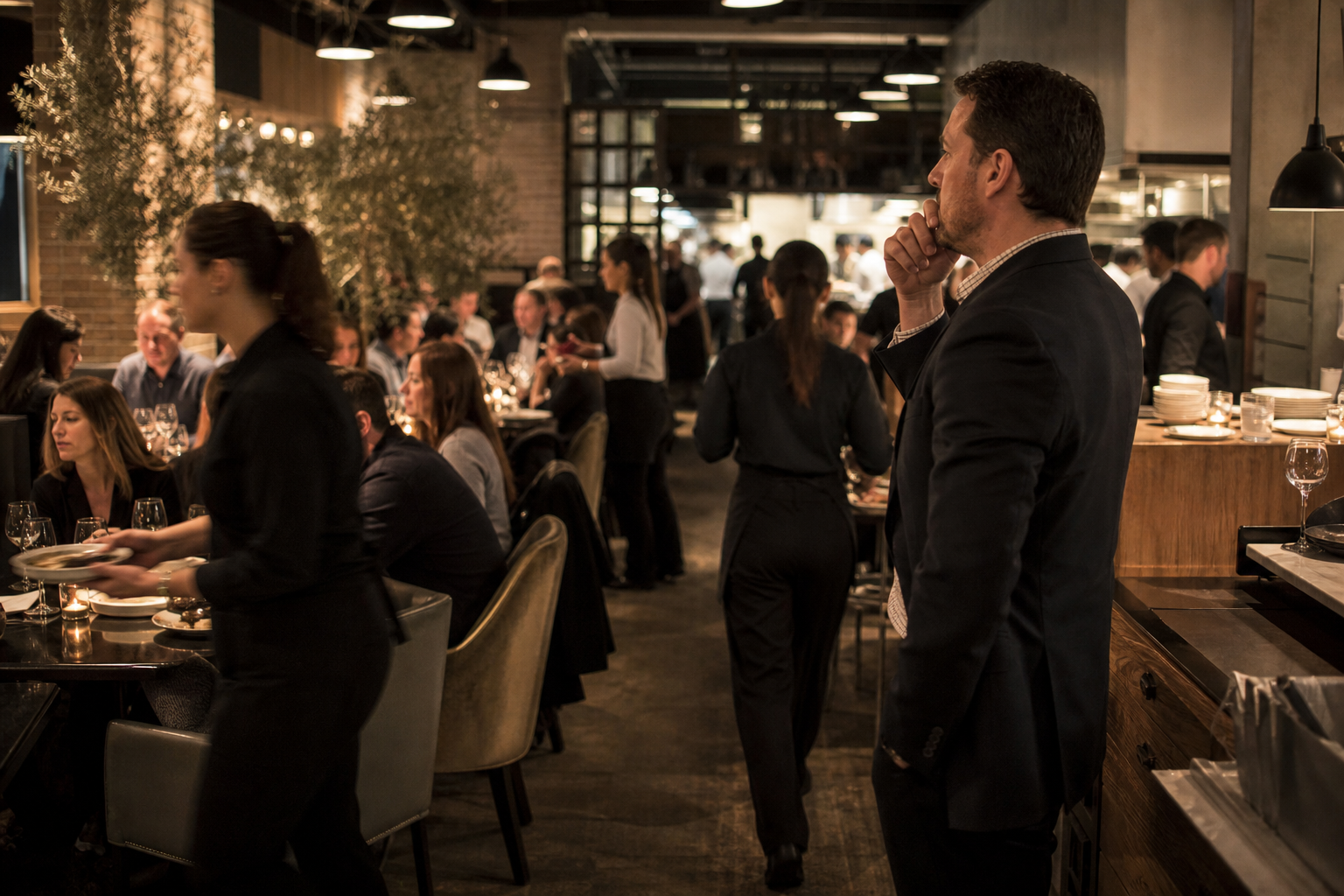
Med sanntidsanalyser for restaurantdrift kan du overvåke løpende personalkostnader i prosent, ventetider og ordrevolum i samme sekund som det skjer. Hvis ventetiden på maten skyter i været fra 12 til 24 minutter på en travel fredagskveld, viser sanntidsdashbordet nøyaktig hvor flaskehalsen på kjøkkenet ligger – lenge før de negative anmeldelsene tikker inn på Google. Og hvis salget dabber av midt på ettermiddagen, kan du sende overflødig personell hjem før timelønnen spiser opp dagens profitt.
Eldre kassesystemer fungerer litt som gamle Nokia-telefoner – de er trege, isolerte og mangler integrasjoner. Moderne restaurantdrift krever en smarttelefon-lignende løsning der nettbestilling, leveringstjenester og bordbestillinger flyter sømløst sammen på én skjerm. Vil du vite hvordan et helhetlig system fjerner administrativt hodebry og øker nøyaktigheten? Les guiden vår om effektivisering av driften med POS og analyser. For å se hvordan de ulike systemene på markedet skiller seg fra hverandre, kan du sjekke vår sammenligning av kassesystemer for restauranter.
Ta kontroll over restaurantdataene dine
Slutt å sjonglere mellom fem forskjellige nettbrett og uoversiktlige regneark. Skal du ta bedre beslutninger, må du samle hele driften i én plattform.
Med Spindl får du kassesystem, innebygde leveringsintegrasjoner, lagersporing og sanntidsanalyser på én felles, brukervennlig enhet. Sjekk ut Spindls funksjoner i dag, og se hvor enkelt du kan erstatte driftskaos med full kontroll og sunnere marginer.