7 effektive metoder for å øke restaurantens gjennomsnittlige ordreverdi
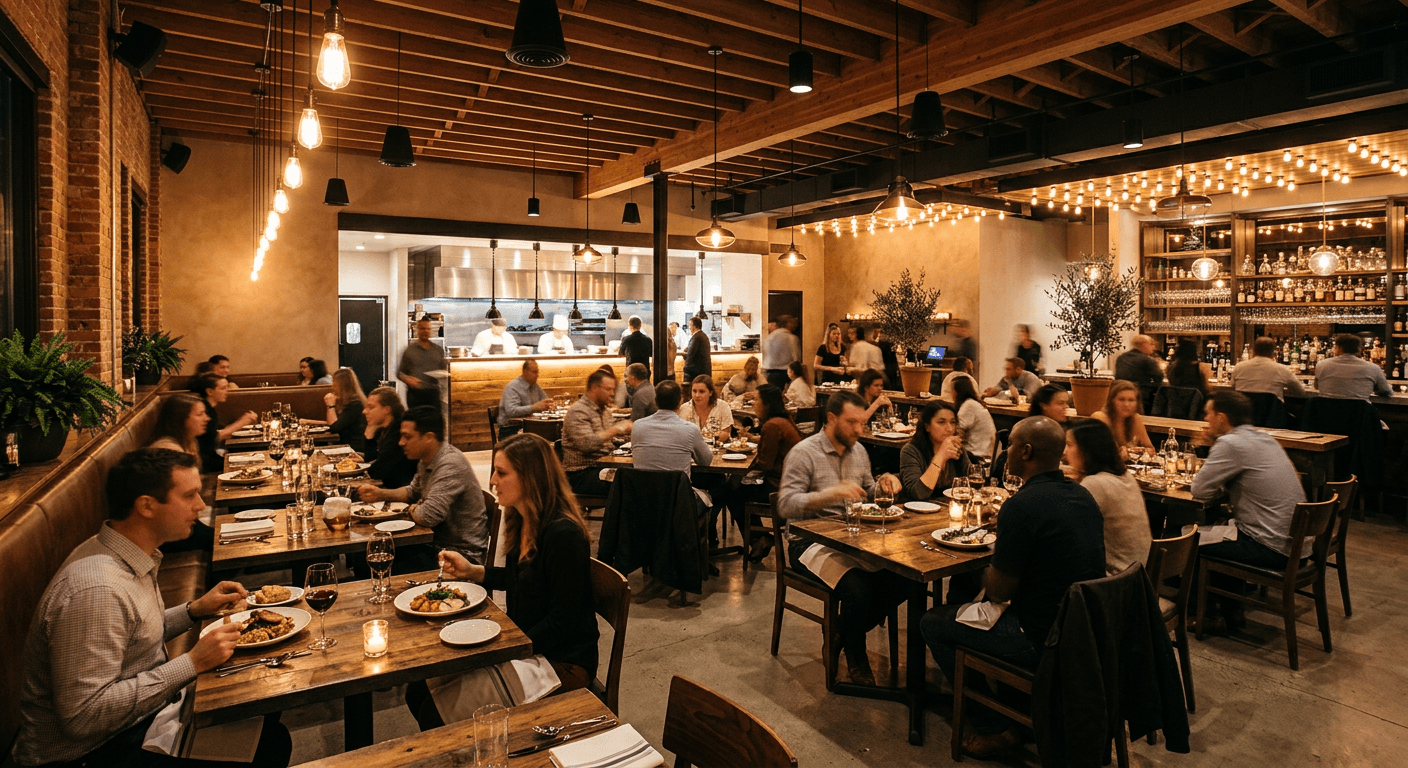
Er restauranten full, men uten at det merkes på bunnlinjen? Ved å øke den gjennomsnittlige ordreverdien (AOV) – ofte kalt snittbong – kan du øke omsetningen betydelig uten å måtte jakte på nye gjester eller øke bemanningen. Her er strategiene som får hver eneste bestilling til å telle mer.
Mestre kunsten med menyoptimalisering
Menyen er din viktigste selger. Strategiske menyendringer kan forbedre lønnsomheten med 10–15 % uten at du i det hele tatt trenger å sette opp prisene. For å maksimere avkastningen bør du først kategorisere hver rett i fire kvadranter ved å bruke POS-analyse for å måle popularitet opp mot dekningsbidrag:
- Stjerner: Retter med høy popularitet og god margin. Disse bør fremheves tydelig med bilder, rammer eller symboler.
- Arbeidshester: Populære retter med lav margin. Her bør du vurdere moderate prisjusteringer eller mindre porsjonsstørrelser for å sikre lønnsomheten.
- Gåter: Retter med høy margin som selger lite. Disse trenger drahjelp fra servitørene eller merking som "Kokkens anbefaling" for å få fart på salget.
- Tapere: Retter med både lav popularitet og lave marginer. Disse bør fjernes fra menyen for å forenkle kjøkkendriften og redusere svinn.
Ifølge forskning fra Cornell kan det å plassere "stjernene" dine i det gylne triangelet – midten, øverst til høyre og øverst til venstre på menyen – øke salget av disse spesifikke rettene med opptil 27 %.
Utnytt digitalt mersalg med kiosker og QR-koder
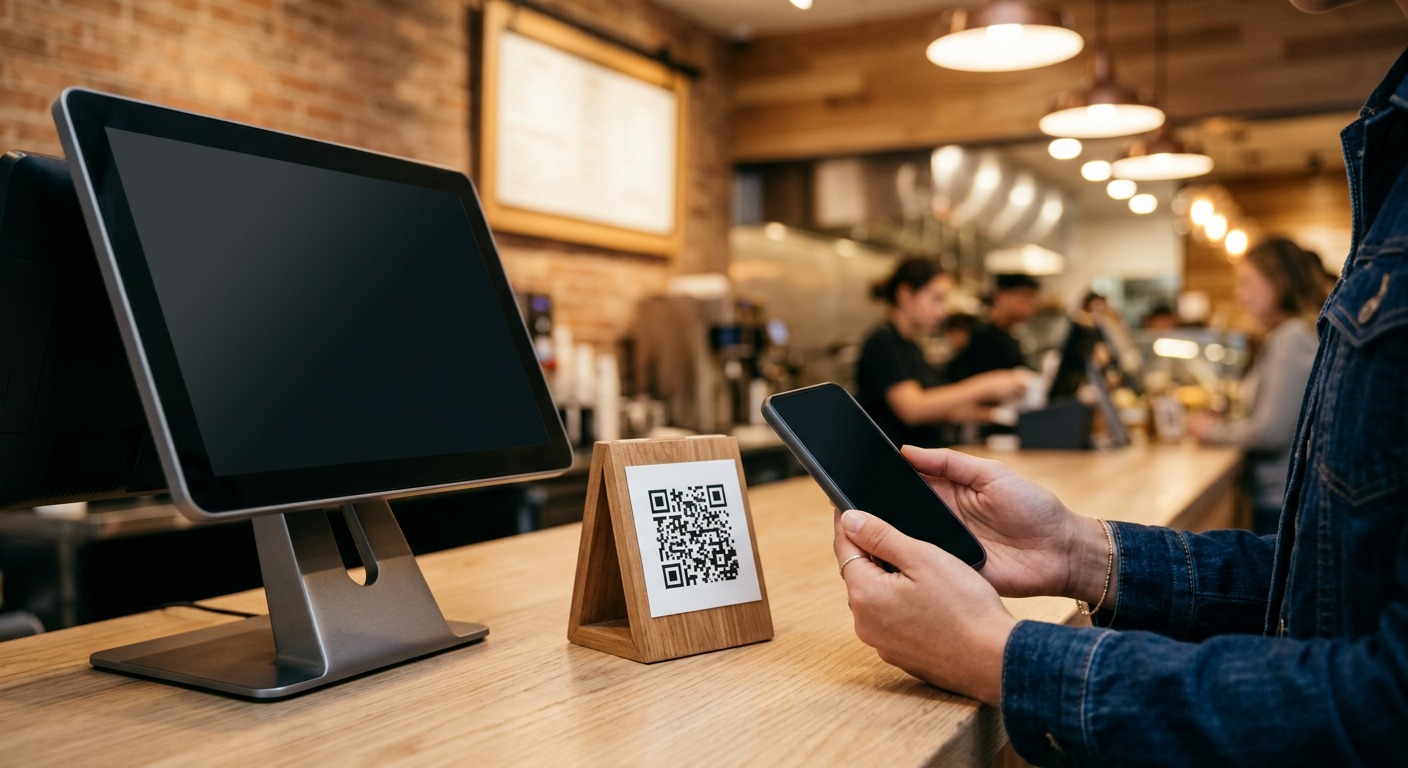
Mennesker kan ofte føle på en form for "salgsvegring" når de skal foreslå tilleggsprodukter, men det gjør ikke maskiner. Selvbetjeningskiosker og moderne systemer for nettbestilling leverer konsekvent høyere ordreverdier enn menneskelige kassaoperatører. En maskin glemmer aldri å spørre, og den synes aldri det er flaut å foreslå ekstra tilbehør.
Data viser at kiosker øker den gjennomsnittlige bongstørrelsen med 15–30 % gjennom automatiske og diskré forslag. Gjester oppfatter ofte digitale forslag som "Legg til bacon for 15 kr" eller "Oppgrader til meny" som god service snarere enn aggressivt salg. Dette fører til høyere kundetilfredshet og betydelig større bestillinger, spesielt i fast-casual-segmentet.
Bruk psykologisk prissetting (decoy pricing)
Vår oppfatning av pris er relativ. Ved å plassere en høyt priset "lokkevare" øverst i en kategori – for eksempel et skalldyrplatå til 950 kr – vil en entrecôte til 380 kr plutselig fremstå som et fornuftig kjøp. Dette psykologiske grepet styrer gjestene bort fra de billigste alternativene og over mot dine mellomprisede retter med høy margin.
Et annet enkelt, men effektivt grep er å fjerne valutasymboler fra menyen. Forskning tyder på at gjester bruker mer penger når krone- eller dollarsymboler er utelatt. Dette reduserer den umiddelbare følelsen av "betalingssmerte" og flytter fokus over på beskrivelsen av maten fremfor selve prisen.
Lag pakketilbud som gir merverdi
Pakketilbud forvandler kjøp av en enkeltrett til et komplett måltid. Dette øker minimumsverdien på hver bestilling, samtidig som gjesten føler at de får en god deal. En kafé opplevde nylig at salget på hverdager hoppet med 40 % bare ved å introdusere et målrettet "Avokado-toast + kaffe"-tilbud.
Effektive kampanjeideer for restauranter baserer seg ofte på slike strukturer. "Prix fixe"-menyer reduserer beslutningsvegring ved å tilby en treretters middag til fastpris, noe som sikrer et høyere snittforbruk per person. Familiepakker som grupperer hovedretter og tilbehør til en litt lavere pris enn á la carte, oppmuntrer også til større gruppebestillinger.
Tren personalet i rådgivende salg
Mersalg mislykkes når det føles som et innoøvd krav, men fungerer utmerket når det oppleves som en profesjonell anbefaling. Tren teamet ditt i å lese gjestenes signaler og foreslå kombinasjoner som faktisk hever måltidsopplevelsen. Dette er forskjellen på å bare "selge mer" og det å utøve godt vertskap.
Fokuser treningen på spesifikke anbefalinger. Hvis en gjest bestiller en spicy pasta, bør servitøren kunne foreslå en spesifikk Riesling for å balansere heten. Å foreslå konkrete tillegg, som å legge til grillede reker i en Cæsarsalat, kan øke den gjennomsnittlige ordreverdien med 10–20 % uten at gjesten føler seg presset.
Optimaliser inntekter fra leveringstjenester
Tredjepartsapper spiser ofte av marginene med høye provisjoner. For å beskytte bunnlinjen på takeaway, bør du bruke en dedikert integrasjon for leveringsapper for å styre en egen leveringsmeny. Dette lar deg kontrollere nøyaktig hva som selges og til hvilken pris på de ulike plattformene.
Du bør vurdere å øke prisene på levering noe, typisk med 10–12 %, for å veie opp for gebyrene til plattformene. Sørg også for at tilvalg med høy margin – som premium dippsauser eller ekstra topping – er lagt inn som enkle valg i den digitale bestillingsflyten. Dette sikrer at du ikke bare bytter ut lønnsomt restaurantsalg med lavmargin-leveringer.
Bruk sanntidsanalyse for bedre beslutninger
Du kan ikke styre det du ikke måler. Bruk POS-analyse for å spore gjennomsnittlig ordreverdi fordelt på tid på døgnet og den enkelte servitørs prestasjoner. Hvis snittbongen på tirsdags lunsj er betydelig lavere enn mandagens snitt, trenger du kanskje et spesifikt pakketilbud for å løfte nivået på det skiftet.
Ved å samle din operasjonelle effektivitet i én plattform, kan du se disse trendene i sanntid. I stedet for å vente på en rapport ved månedsslutt, kan du justere dagens spesialretter midt i vakten dersom dataene viser at snittprisen er på vei ned.

Å øke den gjennomsnittlige ordreverdien er den korteste veien til å forbedre restaurantens lønnsomhet. Ved å kombinere psykologisk prissetting, smart menydesign og digitale verktøy, gjør du hver eneste gjesteinteraksjon til en mulighet for økt inntjening.
Er du klar for å se hvordan et alt-i-ett-system kan automatisere mersalget og gi deg innsikten du trenger for å vokse? Se hvordan Spindl kan øke din omsetning.