Mesterlig vagtplanlægning: Sådan sænker du omkostningerne og holder på dine talenter
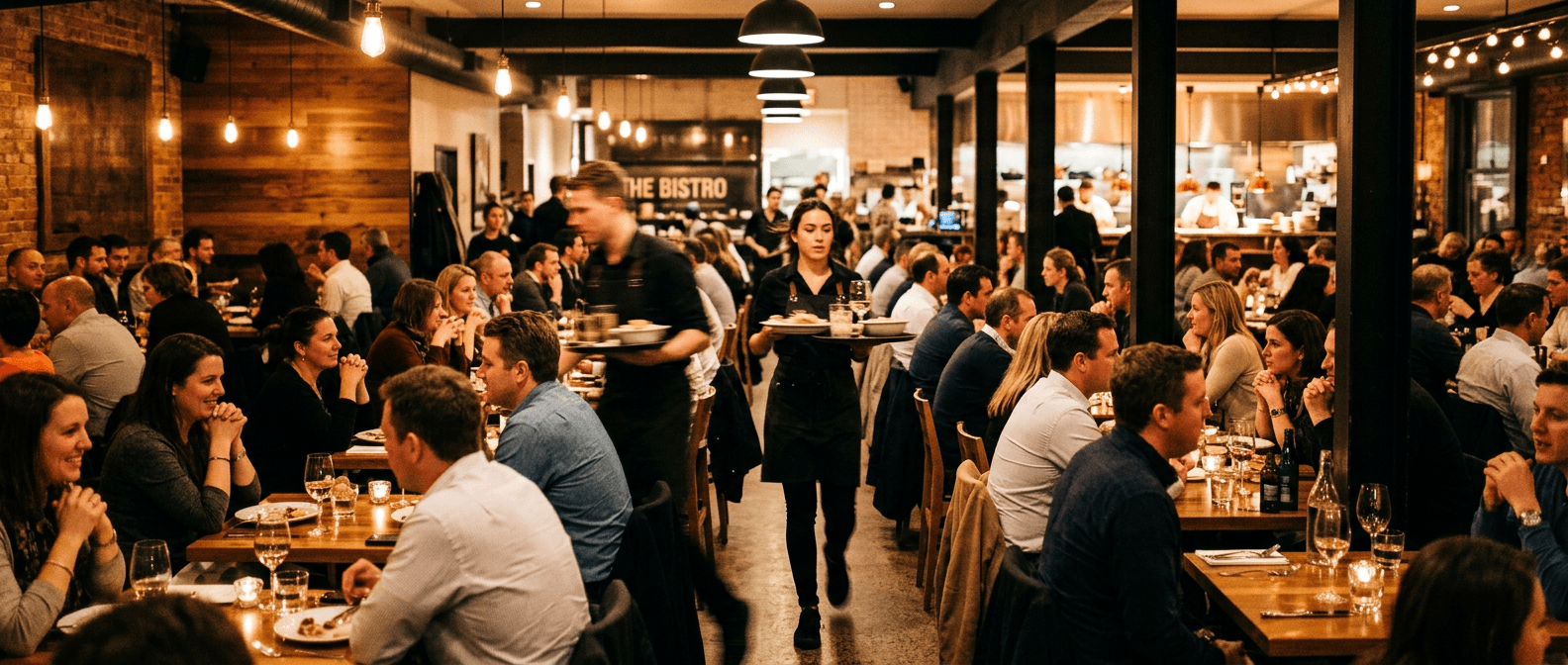
Hvorfor ender fredagstravlheden ofte som en desperat brandøvelse? De fleste restauratører bruger op mod otte timer om ugen på vagtplanlægning, men står alligevel tit med for få hænder, når det virkelig gælder. Strategisk vagtplanlægning handler dog om mere end blot at fylde huller i kalenderen – det er værktøjet, der forvandler en kaotisk vagt til en profitabel forretning.
Navigering i de juridiske rammer
At overholde spillereglerne handler ikke kun om at undgå bøder; det handler om at skabe en sund og bæredygtig drift. I USA skal virksomheder under Fair Labor Standards Act (FLSA) eksempelvis betale overtidstillæg på 50 % for alle timer ud over 40 timer om ugen, ligesom lønoplysninger skal arkiveres i mindst tre år.
Udover de overordnede love vinder begrebet "predictive scheduling" (forudsigelig vagtplanlægning) frem i storbyer som New York, Seattle og San Francisco. Her er det et krav, at vagtplanen ligger klar 7 til 14 dage i forvejen. Overtrædelser – som f.eks. "clopenings", hvor der er mindre end 10 timer mellem to vagter – kan udløse kompensationsgebyrer på mellem 50 og 200 dollars pr. hændelse. Selvom disse regler er indført for at mindske stress blandt personalet og sikre en bedre balance mellem arbejdsliv og fritid, kræver det, at du som leder er langt mere proaktiv i din bemandingsprognose.
Balancen mellem lønkroner og medarbejdertrivsel
Løn er typisk din største styrbare udgift og udgør ofte 30–35 % af omsætningen. Men at skære i timerne uden en klar plan er en af de hurtigste veje til rekrutteringsproblemer og udbrændthed. Når bemandingen er for lav, bliver det tilbageværende hold overbelastet, hvilket starter en ond cirkel af frustration og opsigelser.
Data viser, at stabile og forudsigelige vagtplaner kan reducere personaleudskiftningen med 40 %. Da branchens gennemsnitlige udskiftning ligger tæt på 80 %, er der en massiv økonomisk gevinst ved at holde på de erfarne folk. Det koster i gennemsnit mellem 1.800 og 3.500 dollars i træning og tabt produktivitet at erstatte en enkelt kok. God vagtplanlægning beskytter altså din bundlinje ved at værne om din virksomhedskultur.
Strategier til effektiv planlægning
For at gå fra reaktiv brandslukning til proaktiv ledelse bør du basere dine prognoser på POS-data. Slut med at gætte på, hvor mange tjenere der skal bruges til tirsdagsfrokosten. Se i stedet på dit salg pr. løntime (SPLH). Hvis du f.eks. i gennemsnit omsætter for 1.200 dollars en fredag kl. 19.00, og dit mål er 150 dollars pr. time, ved du præcis, at du har brug for otte løntimer – eller fire tjenere – for at holde serviceniveauet i top.

Timing er lige så afgørende som data. Ved at offentliggøre vagtplanen 14 dage før får personalet ro til at planlægge deres privatliv, hvilket reducerer uventet fravær med 28 %. Denne stabilitet kan understøttes af et "float-system". Ved at træne dit team på tværs af roller (cross-training) kan køkkenpersonalet hjælpe med prep, eller tjenerne kan løbe med mad, når der er spidsbelastning. Denne fleksibilitet har vist sig at sænke personaleomsætningen med 35 %, fordi det giver medarbejderne flere timer og en mere varieret arbejdsdag.
Endelig kan skiftet fra regneark og krøllede sedler til specialiseret HR-software muliggøre mobil vagtbytte og automatiske advarsler om overtid. Det sparer ledere for mellem fem og otte timers administrativt arbejde om ugen – tid, du kan bruge på gulvet sammen med dine gæster i stedet for på kontoret.
Tilpas bemandingen til den virkelige efterspørgsel
De mest effektive restauranter benytter forskudte vagter for at sikre maksimalt overlap i de travleste tidsrum, f.eks. fra kl. 12.00 til 14.00, og skærer ned, så snart rykket aftager. Det forhindrer "tomgang", som ellers hurtigt udhuler din kontrol med lønomkostningerne. Men selv den bedste plan skal kunne justeres. Hvis et stort selskab aflyser, eller regnen tømmer udeserveringen, skal du have mulighed for at sende folk tidligt hjem uden at skabe utilfredshed.
Ved at opbygge et kerneteam til spidsbelastningerne, suppleret af fleksible deltidsansatte, sikrer du, at du har musklerne, når der er travlt, og et trimmet hold, når der er stille. Denne balance er nøglen til at holde din "prime cost" – den samlede udgift til råvarer og løn – på eller under branchenormen på 60 % af omsætningen.
Strømlining af driften gennem teknologi
Besværet med manuel vagtplanlægning er ofte et symptom på fragmenteret teknologi. Når dine leverings-tablets, dit POS-system og dine personaletjenester ikke taler sammen, spilder du tiden på at flytte data i stedet for at lede mennesker. Dette "tablet-kaos" fører til glemte ordrer og manuelle fejl, der frustrerer både personale og gæster.
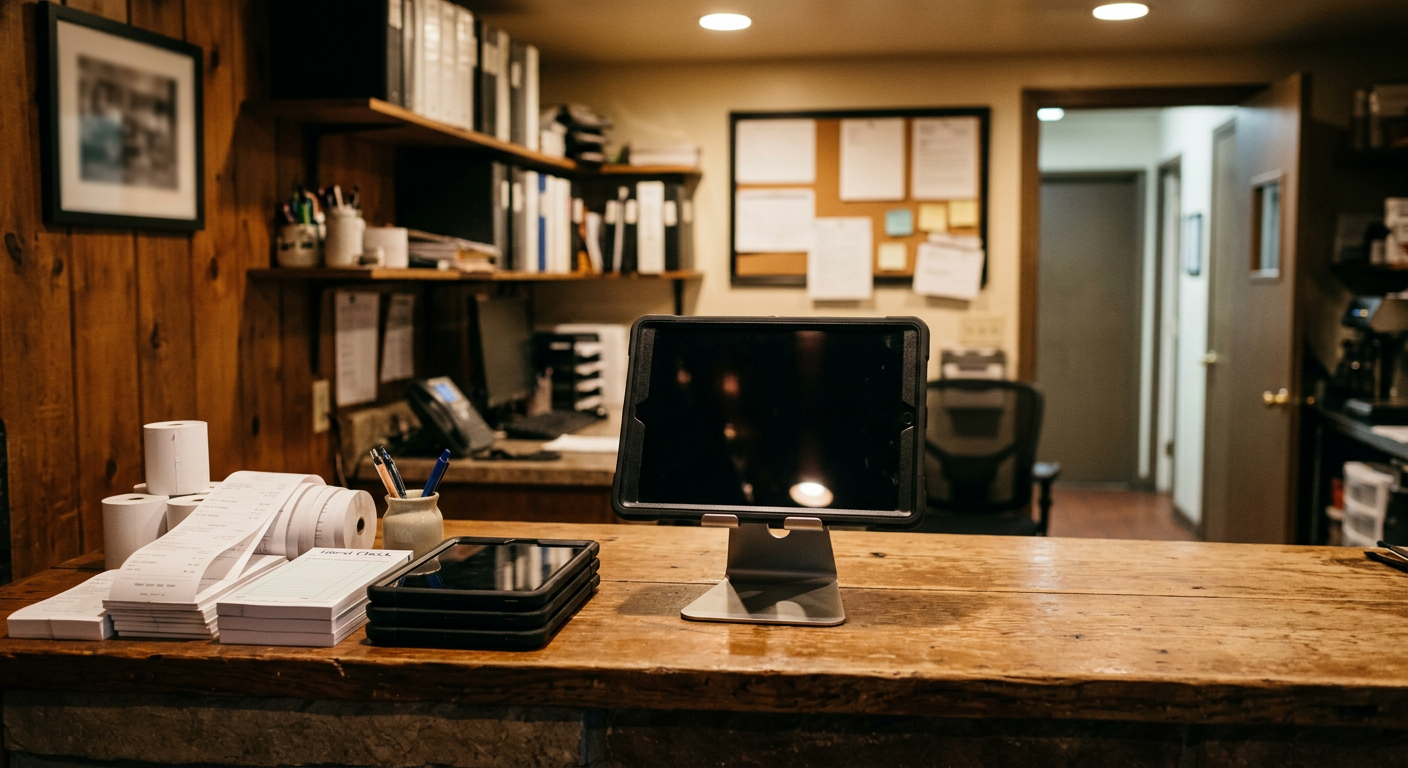
Spindl fjerner denne friktion ved at samle hele driften – ordrer, levering og analyse – i én samlet løsning. Med et klart overblik over dine salgstendenser i realtid via Backstage-dashboardet kan du lægge vagtplaner baseret på faktiske tal frem for mavefornemmelser. Stop med at spilde timer på regneark og begynd at optimere din mest værdifulde ressource. Udforsk Spindls funktioner og se, hvordan en integreret platform gør restaurantledelse enkel og overskuelig.