Mobilbestilling: Din restaurants vigtigste vækstmotor i en digital virkelighed
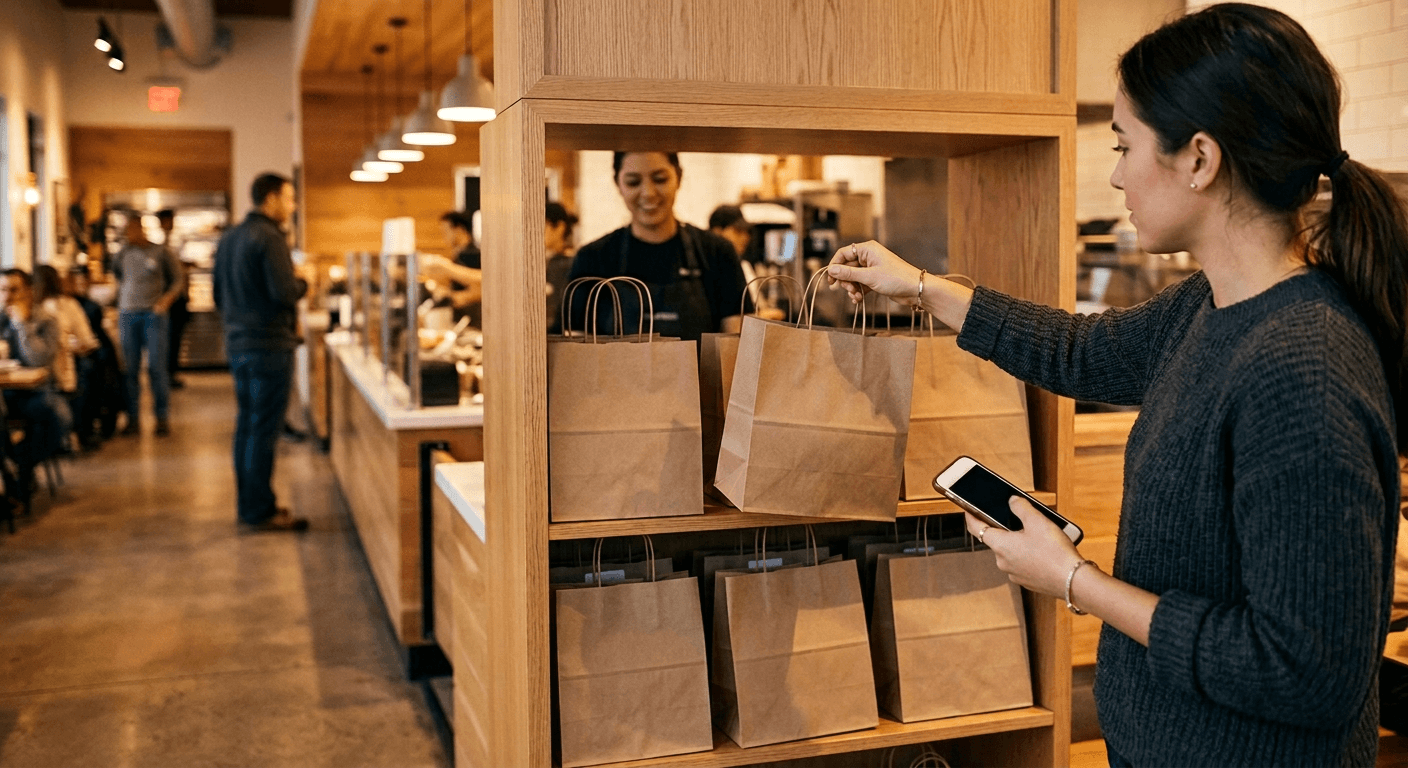
Telefoner, der ringer i ét væk, og et køkken i konstant alarmberedskab behøver ikke være hverdagen. Mobilbestilling er en salgsmotor med høj avance, der forvandler lejlighedsvise gæster til loyale stamkunder, samtidig med at den fjerner driftsmæssige flaskehalse. I dag er det ikke længere blot en bekvemmelighed for gæsten – det er en forudsætning for vækst.
Øg gennemsnitsforbruget med intelligent mersalg
Når købsoplevelsen er digital og gnidningsfri, får kunderne ro til at gå på opdagelse i menuen uden at føle sig pressede af en utålmodig kø eller en tjener, der venter ved bordet. Det afslappede tempo fører til et mærkbart løft i omsætningen; tal viser, at forbrugere typisk bruger 20 % mere, når de bestiller digitalt sammenlignet med traditionelle kanaler. For pizzakæder ses eksempelvis en stigning på 18 % i den gennemsnitlige ordrestørrelse, når ordren rykkes fra telefonen til en mobil brugerflade.
Digitale menuer fungerer som dine mest loyale og utrættelige sælgere. Ved at opsætte en digital menu med høj konvertering kan du gøre specifikke tilvalg obligatoriske og foreslå relevante kombinationer baseret på POS-analyser. I modsat til en travl medarbejder glemmer en digital platform aldrig at tilbyde ekstra avocado eller en menu-opgradering, hvilket sikrer, at intet potentiale for mersalg går tabt.
Et opgør med "tablet-kaos" og bestillingsfejl
Fragmenteret teknologi kan være en lydløs dræber for restaurantens bundlinje. At jonglere med fem forskellige tablets til diverse leveringsplatforme fører uundgåeligt til tastefejl og frustration i køkkenet. Erfaringen viser, at integration af leveringsapps i ét samlet system kan reducere bestillingsfejl med helt op til 95 %.
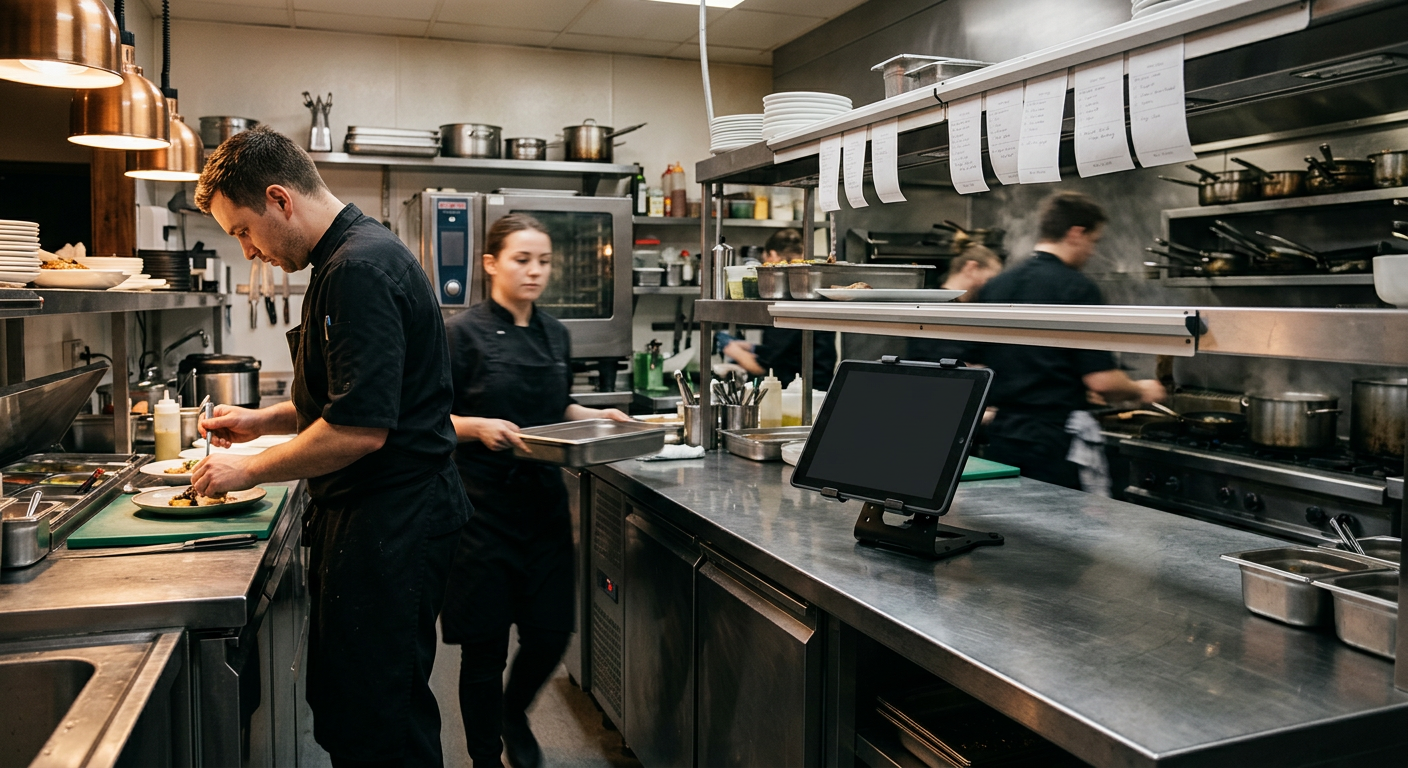
Når ordrerne flyder direkte ind på en køkkenskærm (KDS), eliminerer man den klassiske "hviskeleg" mellem tjener og køkken. Denne præcision forbedrer ordrenøjagtigheden markant og kan reducere madspild med 30 %. En struktureret digital proces sikrer, at specialønsker og allergier håndteres korrekt hver gang. En restauratør rapporterede således, at overgangen til digital bestilling hjalp med at sænke fejlraten fra 12 % til under 3 %.
Styrk kundeloyaliteten og øg besøgsfrekvensen
Mobilbestilling skaber et solidt fundament for effektive strategier for kundeengagement. Data viser, at kunder, der bestiller online, besøger restauranten 67 % hyppigere end gæster, der kun spiser i restauranten. Ved at flytte kunderne over på din egen platform ejer du selv relationen og dine data, i stedet for at være afhængig af tredjepartsdatabaser.
Førstepartsdata åbner døren for personlig markedsføring. I stedet for generiske kampagner kan du bruge ordrehistorikken til at sende målrettede tilbud, der rent faktisk har relevans for gæsten. Denne form for digital transformation resulterer typisk i 20–35 % flere genbesøg. Store spillere har allerede knækket koden: Chipotles dedikerede "pick-up lanes" til mobilbestilling øgede det digitale salg med 15 %, mens mobiltransaktioner nu udgør 30 % af Starbucks' samlede omsætning i USA.
En effektiv løsning på manglen på arbejdskraft
Rekruttering er fortsat en af de største udfordringer for branchen. Her fungerer mobilbestilling og reducering af ventetid som en vigtig løftestang. Når gæsterne selv står for bestilling og betaling direkte ved bordet, kan personalet håndtere 25 % flere borde uden at gå på kompromis med det gode værtsskab.
Skiftet frigør personalet fra administrative opgaver som at indtaste ordrer eller håndtere betalingsterminaler. En alt-i-en platform til restaurantstyring kan reducere den samlede administrative arbejdsbyrde i serveringen med 30 %. Det sparer ledere for omkring 12 timers kontorarbejde hver uge – tid, der i stedet kan bruges på at coache personalet og optimere gæsteoplevelsen.
Fremtidens forbruger i 2025
Markedet har flyttet sig permanent. Det forventes, at digitale kanaler vil stå for 70 % af restaurantomsætningen i 2025. Allerede nu benytter 60 % af forbrugerne levering eller takeaway mindst én gang om ugen, og de foretrækker i stigende grad restaurantens egne platforme frem for eksterne leveringstjenester, der tager en stor bid af avancen.
At indføre mobilbestilling handler om mere end blot en bestillingsknap på hjemmesiden; det handler om at udnytte de funktioner til restaurantstyring, der gør din forretning datadrevet frem for reaktiv. I en branche, hvor hvert minut tæller, er et integreret digitalt system din vigtigste konkurrencefordel. Udforsk vores værktøjer i dag, og sørg for, at din restaurant er klar til fremtidens krav.