How restaurant automation tools cut labor costs by 25%
Could your restaurant survive a $5,000 per hour revenue loss? Equipment failures and labor shortages are thinning margins, but modern automation tools are helping operators reduce labor costs by up to 25% while increasing table turnover through streamlined workflows.
Transitioning from fragmented tools to unified ecosystems
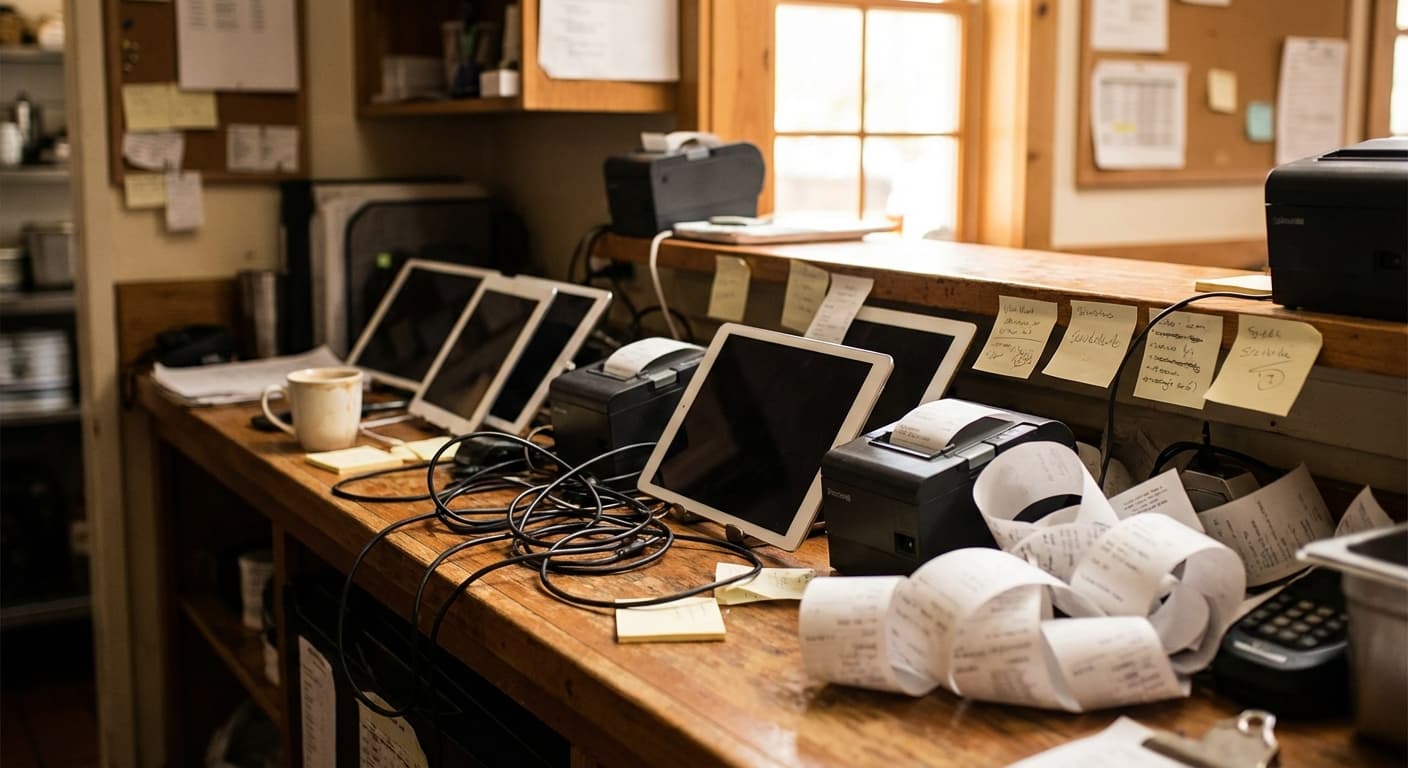
For years, restaurant technology resembled a collection of Nokia 3310 devices: clunky, disconnected, and frustratingly single-purpose. Operators were forced to manage a "tablet farm" of disparate delivery apps, a legacy POS system, and manual spreadsheets to track ingredients. This fragmentation creates "digital chaos" that forces redundant data entry and leads to manual reconciliation errors, often costing the industry 3–5% in lost revenue.
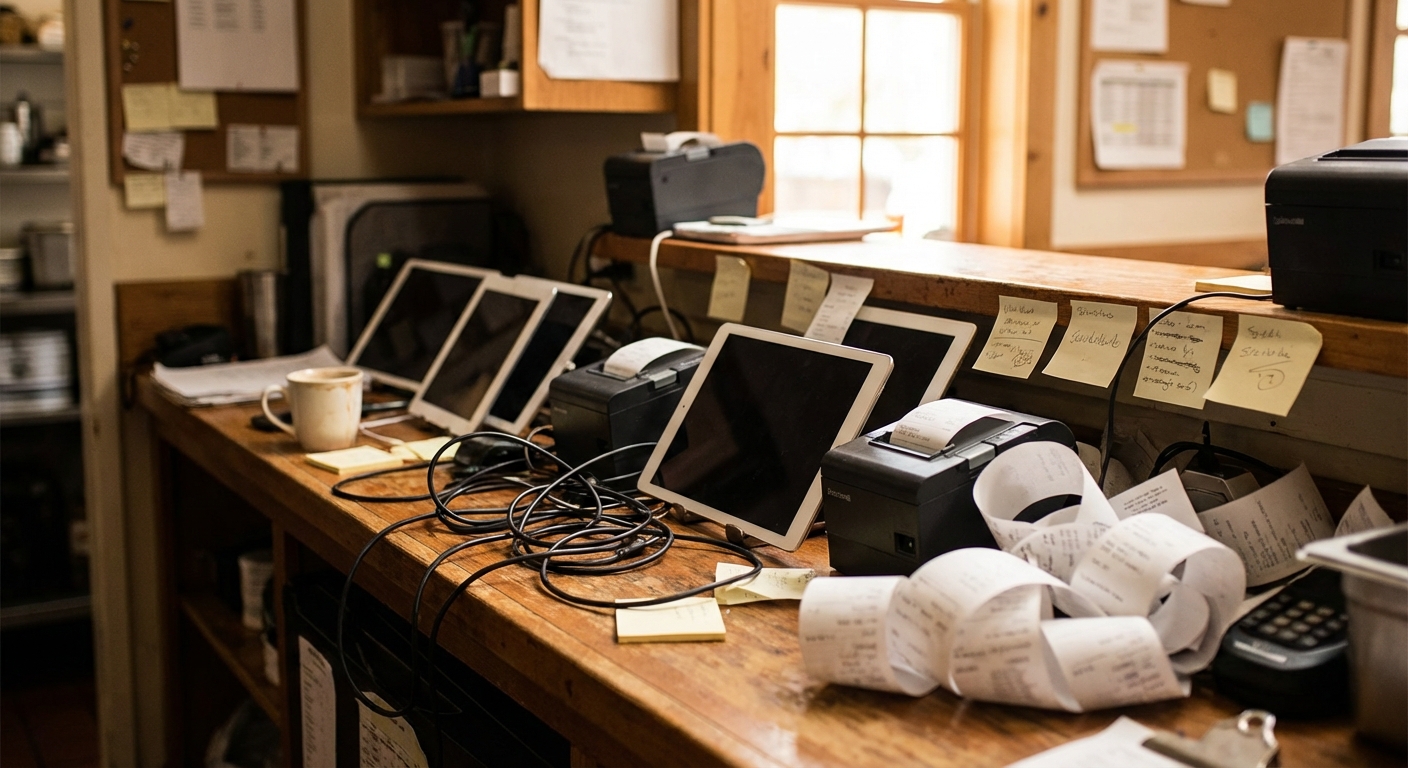
Today, the industry is shifting toward a unified "iPhone" model. This involves an integrated restaurant management platform that acts as a central nervous system for the business. When your order-taking, delivery platforms, and inventory systems communicate in real-time, you eliminate silos. One Brooklyn restaurant owner saved over $4,000 annually simply by consolidating these tools into a single device, proving that efficiency is as much about hardware reduction as it is about software capability.
High-impact automation categories for modern operators
Unified POS and real-time intelligence
A modern point-of-sale system does far more than process transactions; it acts as an intelligent hub that transforms raw data into actionable insights. By integrating sales data with labor metrics, AI-driven platforms can forecast demand with high precision. Research into restaurant labor cost control strategies shows that AI-driven scheduling can reduce labor expenses by 5–15%. This shift allows managers to match staffing levels to historical traffic patterns rather than relying on gut feelings, ensuring the floor is never overstaffed during a lull or understaffed during a rush.
Automated inventory and waste control
Fragmented systems are the primary culprit behind food waste, which typically accounts for 3–5% of total food costs. When you focus on integrating POS with inventory, every sale instantly deducts specific recipe components – like the exact ounces of chicken and sauce in a sandwich – from your digital stock. This perpetual inventory model reduces overordering by 15% and saves managers approximately 3–4 hours of administrative work every week.
Kitchen robotics and IoT integration
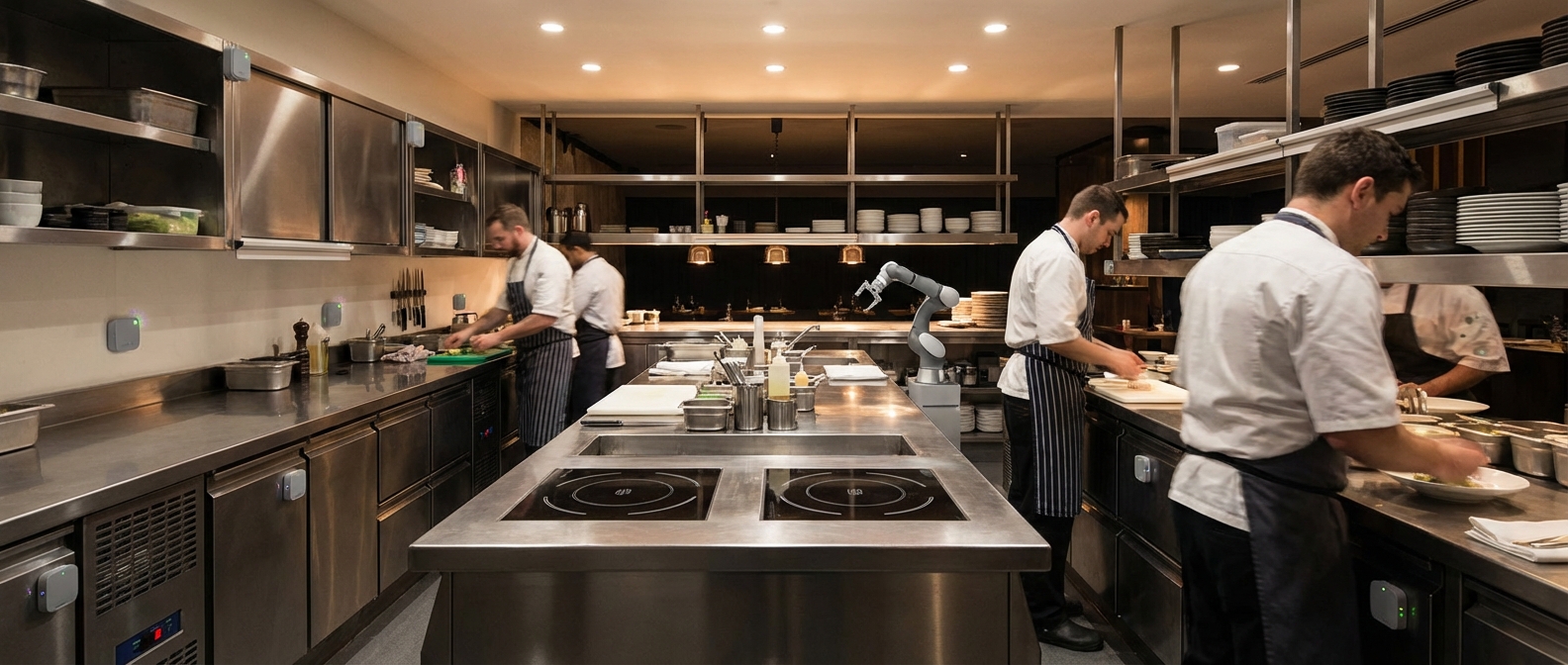
While fully robotic kitchens remain a futuristic concept for many, specific task automation is already delivering significant ROI. According to Coherent Market Insights, robotic workflow integration can reduce prep and service time by 15–40%. Beyond the kitchen line, roughly 33.5% of operators now use Internet of Things (IoT) sensors to monitor equipment health. According to MachineQ, this proactive monitoring prevents equipment failures that can result in revenue losses of up to $5,000 per hour of disruption.
Self-service and contactless ordering
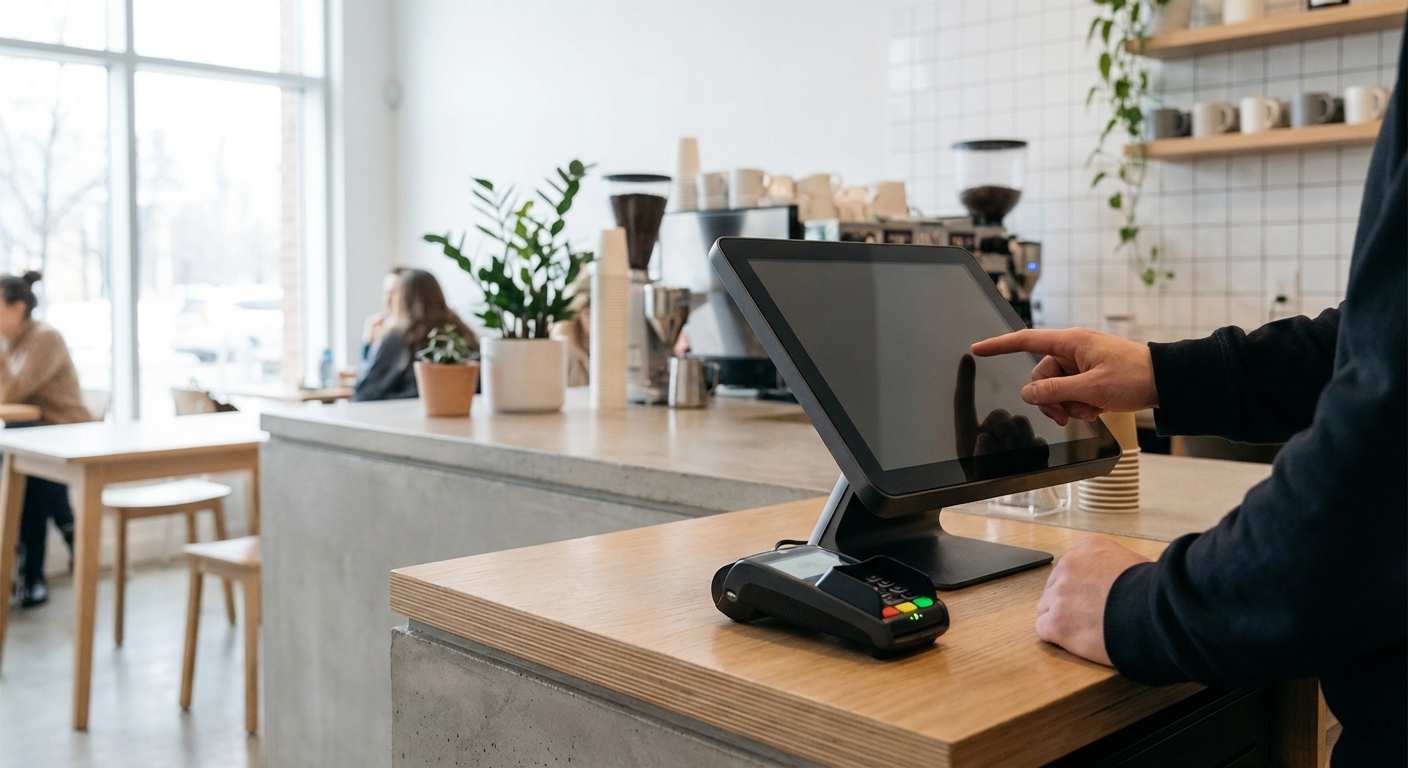
Guest preferences have fundamentally shifted toward convenience and speed, with nearly 73% of customers now preferring minimal human contact during service. Implementing self-service kiosks and first-party online ordering systems addresses this demand while protecting your margins. These tools do not just lower the labor burden on front-of-house staff; they also increase average check sizes by 15–30% through consistent, automated upsell prompts and modifier suggestions that human staff might overlook during busy shifts.
Legacy systems versus modern integration
Legacy systems often require a week or more of intensive staff training and rely on end-of-month spreadsheets that offer no visibility into daily leaks. In contrast, modern platforms like Spindl are designed to pass "The Grandma Test," meaning the interface is so intuitive that frontline staff can be productive in just one or two shifts.
While old-school setups force you to juggle five different tablets for delivery, a modern ecosystem provides built-in aggregation that routes all marketplace orders into a single kitchen queue. This shift moves your business from "reactive" mode – where you catch errors weeks later – to "proactive" mode, where real-time AI agents allow you to query your data instantly to identify which menu items are underperforming or where waste is spiking.
Designing your automation stack
Successful digital transformation is not about replacing the human element of hospitality; it is about automating the "robotic" tasks of data entry, inventory counting, and manual scheduling. When evaluating your technology stack, prioritize integration mastery over a long list of standalone features. A tool that does not communicate with your POS is simply another silo that will eventually leak revenue.
Operators should consider a phased implementation, starting with the biggest operational bottleneck. Whether that is the chaos of managing third-party delivery tablets or rising food costs due to poor inventory tracking, solving the primary pain point first creates the momentum needed for a full-scale digital upgrade.
Reclaim your time and protect your margins
The era of "tablet chaos" and manual reconciliation is ending. Forward-thinking operators are moving away from fragmented software and toward unified platforms that handle everything from the first customer click to the final inventory count.
Spindl provides the all-in-one operating system your restaurant needs to compete in a high-cost environment. By consolidating POS, delivery apps, self-service, and real-time analytics into a single, intuitive device, we help you reclaim up to 12 hours of your week and cut food costs by 5% in just 90 days.
Experience the future of restaurant operations with a Spindl demo.