How to build a restaurant rewards program that drives visits
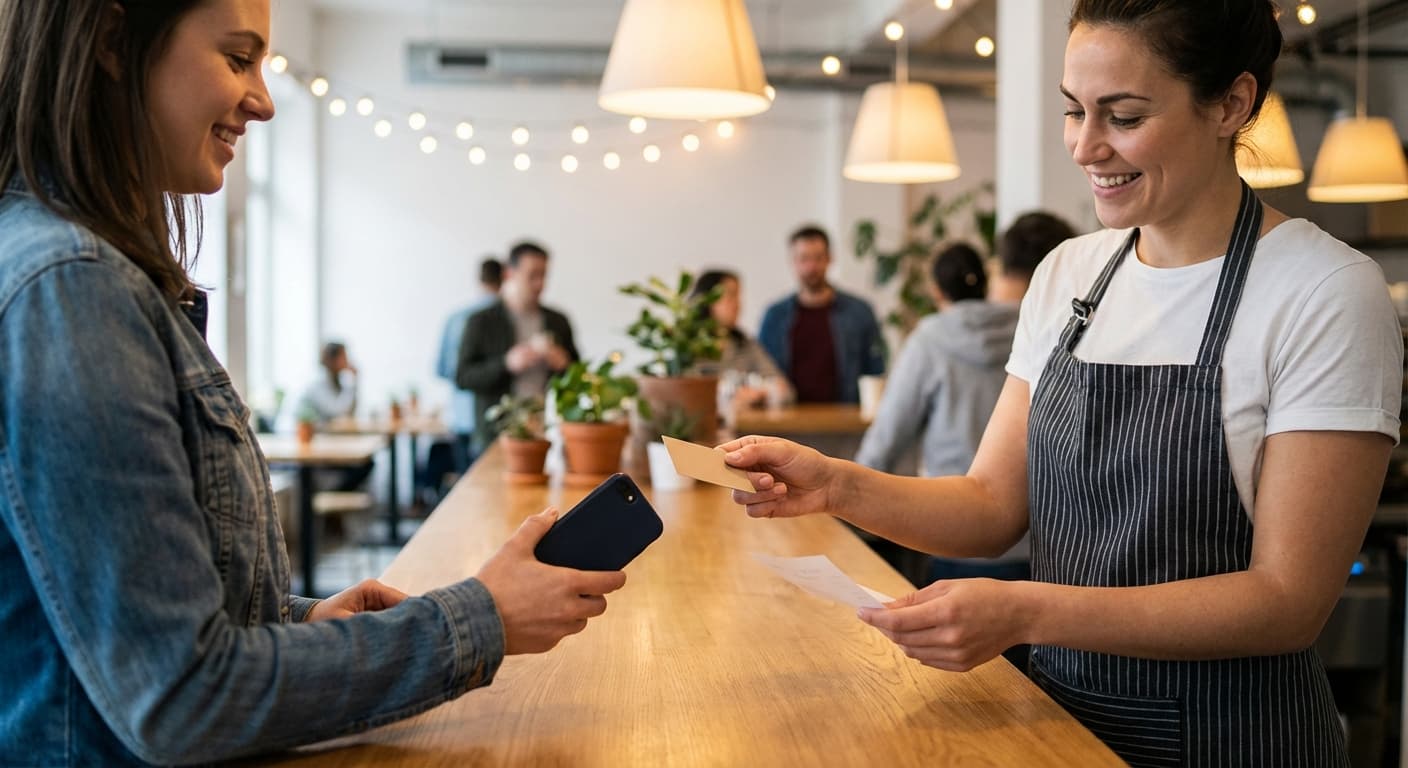
Did you know that loyalty members represent nearly 40% of total restaurant visits? While overall industry traffic declined 2% in 2024, loyalty-driven traffic increased by 5%. If you aren't rewarding your regulars, you are missing out on guests who visit and spend 20% more than non-members.
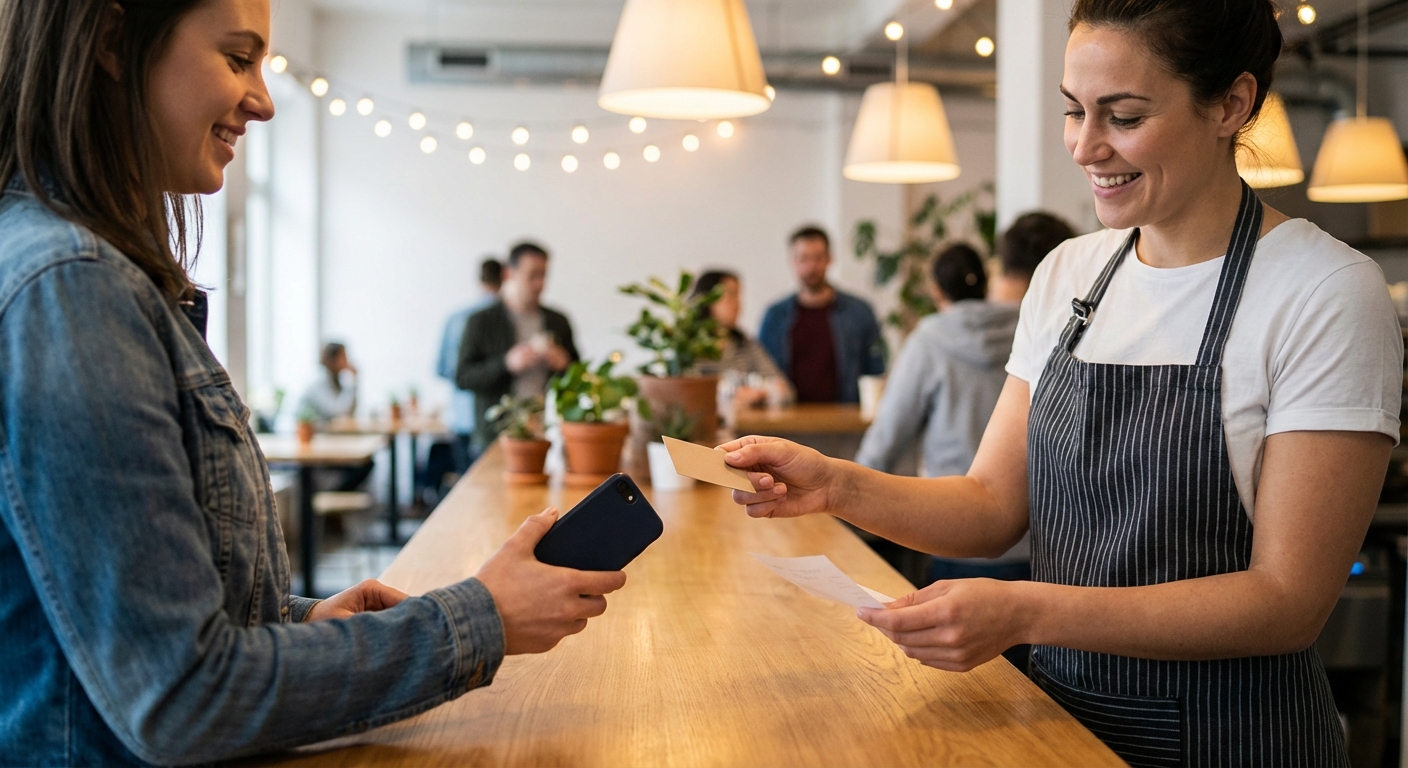
Choose a structure that fits your service model
Not every loyalty program works for every concept. You must align your reward mechanics with your average check size and visit frequency to ensure the program feels like a benefit rather than a chore.
Points-based programs are the industry standard for a reason. Guests earn a set number of points per dollar spent, which naturally encourages higher average checks. This model serves as the backbone of high-performing QSR loyalty programs like Chipotle and Starbucks. For higher-frequency, lower-ticket concepts like coffee shops or lunch spots, visit-based systems are often more effective. These award a perk after a specific number of visits regardless of the total spend.
If you want to create a sense of exclusivity, tiered programs allow guests to move from "Silver" to "Gold" status as they spend more. This unlocks experiential rewards like early access to new menu items or VIP seating. For items guests consume daily, subscription models – like the Panera Unlimited Sip Club – guarantee recurring revenue and consistent foot traffic by charging a flat monthly fee for daily perks.
Design for the quick win
The biggest mistake operators make is setting the barrier to entry too high. Research indicates that programs requiring more than 10 visits for a reward see 50% lower engagement. When rewards feel unattainable, guests simply stop participating.
To keep guests interested, ensure their first reward is reachable within two to four visits. This "hook" creates an immediate psychological bond with your brand. Once a guest redeems that first free appetizer or drink, they are significantly more likely to remain active over the long term. Aim for a redemption rate between 15% and 25%; if your rate falls below 10%, your rewards are likely too difficult to earn.
Stop the tablet chaos with integrated technology
A rewards program is only as effective as the data supporting it. If your loyalty system is a "bolt-on" tool that does not communicate with your POS or delivery tablets, you lose vital visibility into guest habits. Fragmented systems reduce redemption tracking by 30% and frustrate staff who must manually enter codes during a busy rush.
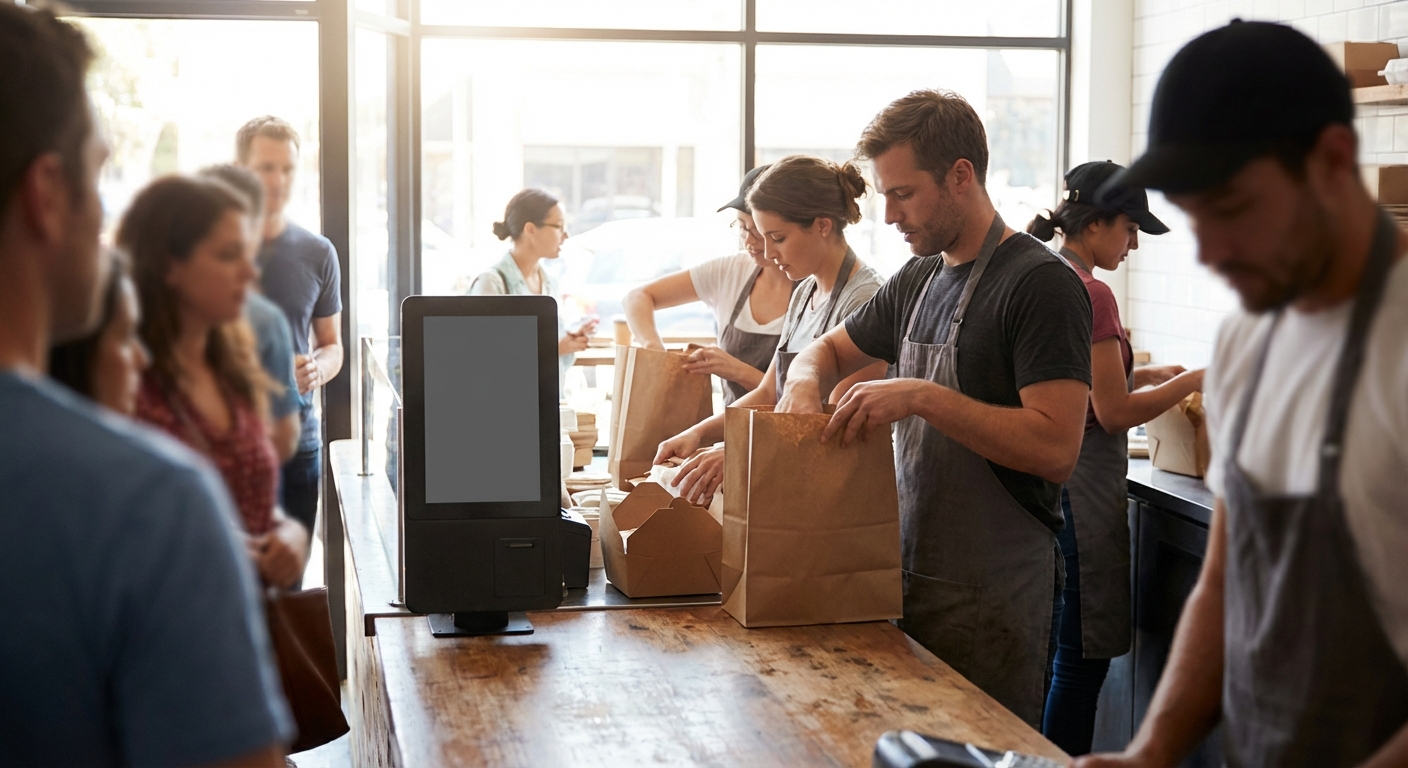
Spindl transforms this operation by unifying order taking, delivery aggregation, and loyalty into one device. This ensures guests earn points whether they order at a kiosk, through your website, or at the counter. With an integrated stack, you can finally measure real-time ROI to see exactly how much incremental revenue your program is generating across every channel.
Personalize the guest experience
Generic discounts are expensive and often ignored. While only 18% of restaurant loyalty programs currently utilize personalization, personalized offers convert at 25%+ compared to just 12% for generic promotions. Guests today expect you to know their preferences.
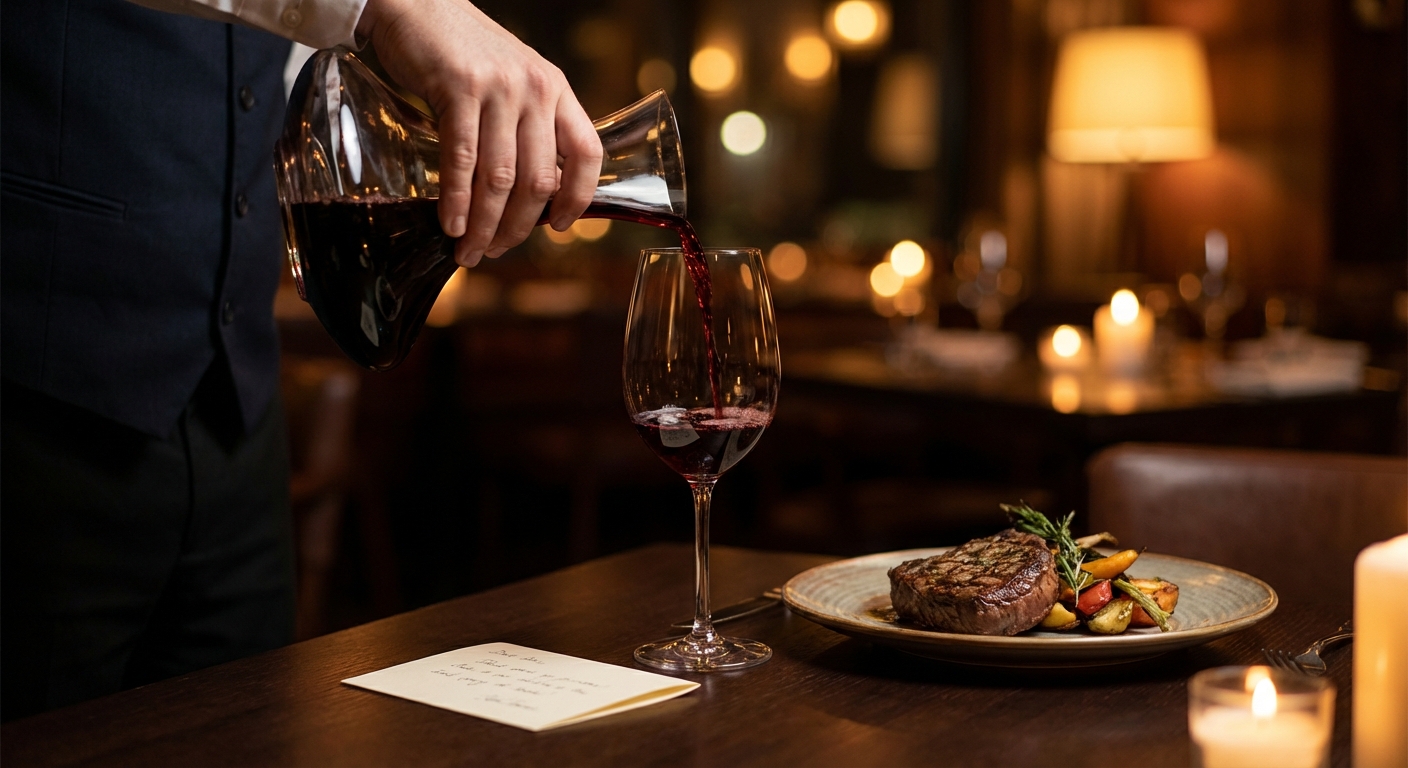
You should use customer behavior insights from POS data to segment your audience effectively. For instance, if a guest consistently orders the ribeye, you can send them an SMS offer for a complimentary glass of red wine on a slow Tuesday. Automated marketing workflows can handle these triggers for you, automatically sending "we miss you" messages to guests who haven't visited in 30 days – a segment that carries a 65% higher churn risk.
Launch with a 30-day action plan
A successful launch requires more than just flipping a digital switch. You can maximize enrollment and staff buy-in by following a structured 30-day timeline:
- During the first week, define your goals and reward thresholds. Set an ambitious target to enroll 25% to 40% of your unique customers within the first six months.
- In the second week, configure your technology. Ensure your CRM software is fully synced with your menu so points accrue accurately across every touchpoint.
- Spend the third week training your team. Staff must be able to explain the program value in 15 seconds. Use "The Grandma Test" – if the sign-up process is too complex for a non-tech-savvy guest to understand, you must simplify it.
- Launch your program in the fourth week. Use in-store QR codes, receipt footers, and automated email invites to drive immediate sign-ups.
Building a high-performing rewards program is no longer optional in a market where 47% of U.S. diners already participate in at least one program. By focusing on quick wins, real-time analytics, and a unified platform like Spindl, you can turn one-time visitors into brand advocates who drive 20% to 35% higher repeat visit rates.