5 marknadsföringsstrategier som fyller din restaurang

Visste du att hela 90 % av alla gäster läser menyn på nätet innan de bestämmer sig för ett besök? Trots det går många restauranger miste om potentiella kunder eftersom deras digitala närvaro antingen är föråldrad eller helt osynlig i lokala sökningar. Här är strategierna som hjälper dig att förvandla surfande besökare till lojala stamgäster.
Maximera din synlighet med Google Business Profile och lokal SEO
En optimerad Google Business Profile får i genomsnitt sju gånger fler visningar än en vanlig webbplats. I en tid där sökningar på ”öppet nu” har ökat med över 800 % är din lokala sökbarhet helt avgörande. Gäster som letar efter ett ställe att äta på här och nu behöver hitta dig direkt, vilket gör optimering av Google Business Profile till en av de viktigaste delarna i din digitala strategi.
Ta inspiration från Berries & Bowls, ett fristående varumärke som genom aktiv profiloptimering och lokala listningar lyckades generera 131 000 visningar och öka antalet telefonsamtal med 376 %. Ett konkret tips är att publicera din meny som vanlig text (HTML) snarare än som en PDF. Sökmotorer har svårt att läsa innehållet i en PDF, men indexerar gärna text. Detta enkla steg inom lokal SEO gör att du dyker upp när någon söker efter specifika rätter, som ”stans bästa tacos” eller ”vegansk råbiff”.
Bygg varumärket genom korta videoformat i sociala medier
Sociala medier är vår tids digitala djungeltelegraf. Idag uppger 55 % av TikTok-användarna att de har besökt en restaurang efter att ha sett den på plattformen, och hela 72 % använder sociala kanaler för att göra research inför sitt val. Korta, engagerande videoklipp (under 30 sekunder) på Instagram Reels och TikTok är just nu det mest effektiva sättet att nå ut.
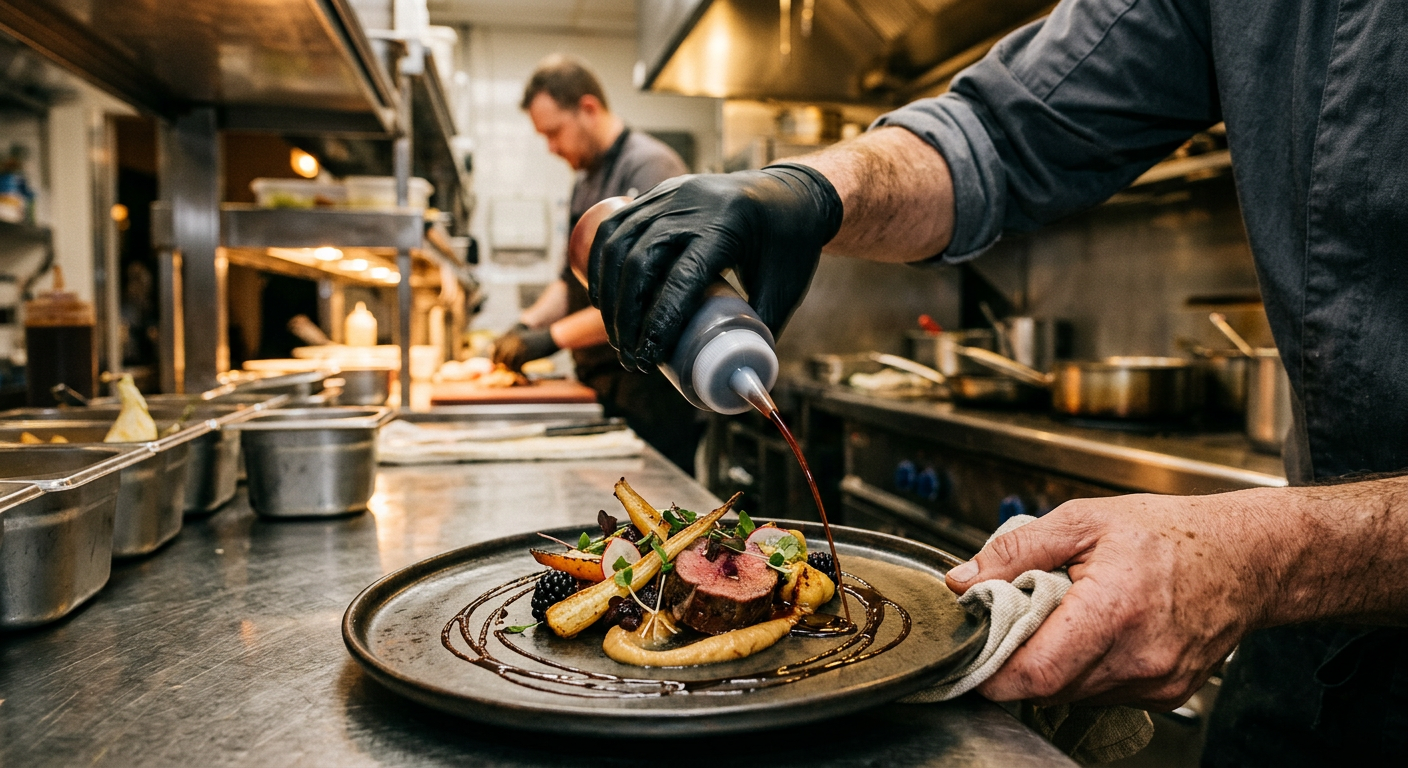
- Visa hantverket: Dela material ”bakom kulisserna” och filma när maten läggs upp för att skapa en personlig koppling till köket.
- Samarbeta lokalt: Mikroinfluencers med en trogen lokal följarskara kan ge fantastiska resultat. En restaurang i Portland lyckades till exempel få 280 000 exponeringar och 47 direktbokningar genom ett enda samarbete.
- Håll i längden: En konsekvent marknadsföringsstrategi för sociala medier bygger förtroende och igenkänning över tid.
Genom autentiskt visuellt berättande kan även små koncept växa snabbt. Smash burger-kedjan IDK Philly är ett bra exempel; deras dagliga, virala TikTok-inlägg skapade ett sådant tryck att de kunde expandera med fem nya enheter på kort tid.
Automatiserad kundlojalitet och e-postmarknadsföring
Det är 5 till 25 gånger dyrare att locka en helt ny kund än att behålla en befintlig. Därför fokuserar de bästa metoderna för restaurangmarknadsföring ofta på att bygga lojalitet. E-postmarknadsföring är fortfarande en av de mest lönsamma kanalerna, med en genomsnittlig avkastning på 42 dollar för varje satsad dollar. Med automatiserade e-postkampanjer kan du enkelt skicka personliga födelsedagshälsningar eller ”vi saknar dig”-erbjudanden till gäster som inte besökt dig på ett tag.
Medan e-post bygger långsiktiga relationer, är SMS perfekt för att skapa omedelbar handling. Med en öppningsgrad på hela 98 % är SMS ett oslagbart verktyg för att fylla borden under lugnare tisdagskvällar. Genom marknadsföringsautomatisering kan dessa processer sköta sig själva i bakgrunden, vilket ofta ökar antalet återkommande besök med 20–35 % utan att kräva extra manuellt arbete.
Skapa tryck med säsongsbetonade kampanjer och ”Limited Edition”
Känslan av att något är exklusivt eller tidsbegränsat är en stark drivkraft. Säsongsbetonade kampanjer tar vara på högsäsonger och högtider för att maximera intäkterna. En effektiv taktik är att lansera ”Limited Time Offers” (LTO) – rätter eller drinkar som bara finns på menyn under några få veckor. Det skapar en sund ”FOMO” (Fear Of Missing Out) och ger dig en relevant anledning att kontakta dina kunder.
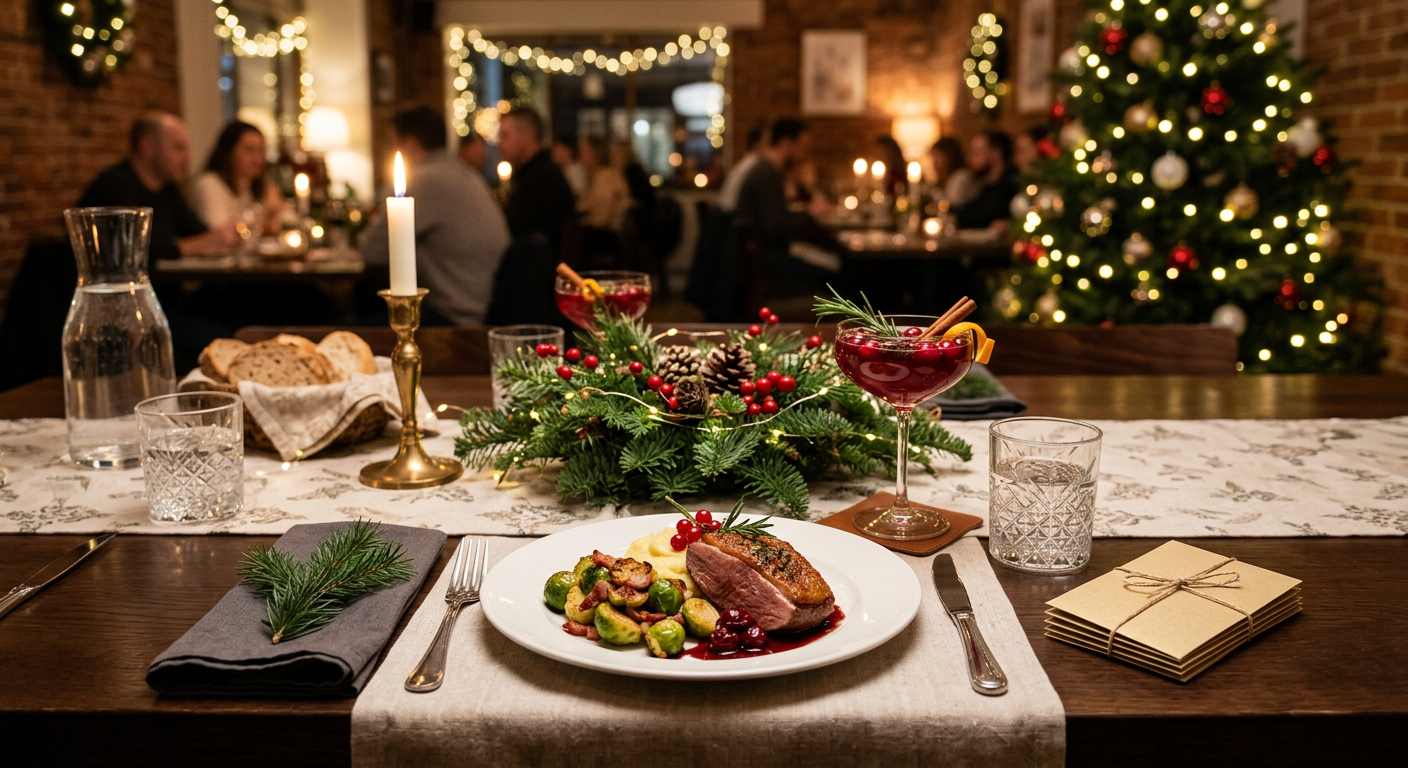
Kreativa idéer för restaurangmarknadsföring, som quizkvällar eller presentkortserbjudanden, kan förvandla dödtid till lönsamhet. Ett steakhouse i Miami lyckades till exempel sälja presentkort för 43 000 dollar under en enda helg genom ett ”köp för 100, få 20 extra”-erbjudande. Det gav både ett omedelbart kassaflöde och garanterade framtida besök.
Samordna drift och marknadsföring med Spindl
Marknadsföringen riskerar att falla platt om de bakomliggande systemen inte hänger med. Om din marknadsföring för hemleverans skapar en orderrusning som köket inte kan hantera, skadas varumärket snabbt. För att växa på ett hållbart sätt behöver du gå ifrån spridda lösningar och manuell hantering till ett enhetligt operativsystem.
En framgångsrik marknadsföringsstrategi för onlineförsäljning kräver realtidsdata. Med en plattform som Spindl kan du integrera ditt kassasystem, dina leveransappar och ditt lojalitetsprogram i ett och samma verktyg. Det ger dig full koll på vilka kampanjer som faktiskt ger högst snittkvitto och vilka kanaler som bara kostar pengar.
När drift och marknadsföring samverkar slutar du gissa och börjar växa. Upptäck Spindls funktioner och se hur en allt-i-ett-plattform för restauranghantering kan hjälpa dig att fylla fler bord och förbättra ditt resultat redan idag.