Når tallene ikke stemmer: Hvorfor restauratører kæmper med at betale personalet
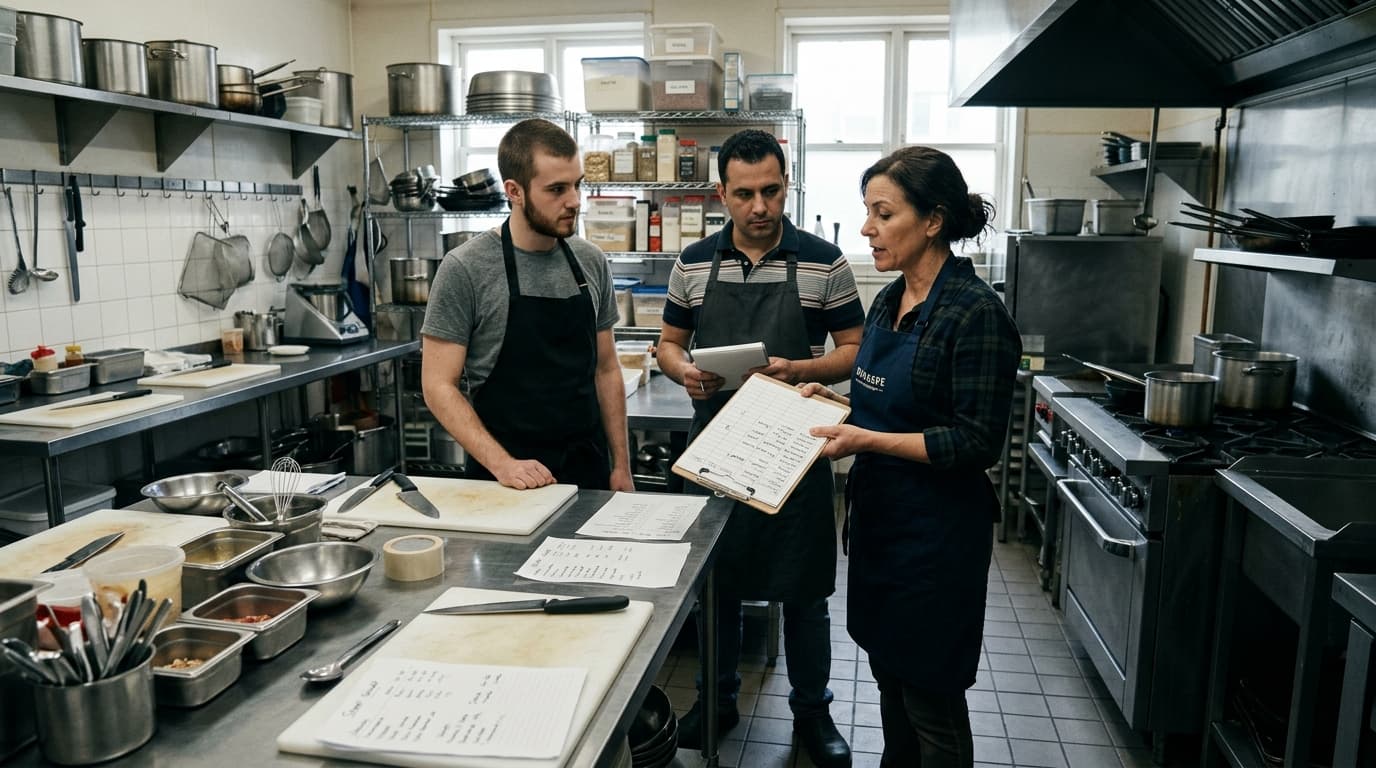
Restaurationsbranchen befinder sig i et historisk krydspres. Mens jagten på kvalificerede medarbejdere aldrig har været mere intens, kæmper mange ejere og ledere med at få enderne til at mødes rent økonomisk. En kombination af efterslæb fra pandemien, tårnhøj inflation og en kronisk mangel på arbejdskraft har skabt en virkelighed, hvor det er blevet en daglig kamp at tilbyde konkurrencedygtige lønninger uden at sætte forretningens overlevelse på spil.
Branchens økonomiske tilstand: Et kig på tallene
Tallene tegner et alvorligt billede af branchens sundhedstilstand. Ifølge nyere data var hele 38 % af alle restauranter tabsgivende i 2023. Det er ikke svært at forstå hvorfor, når man ser på de bagvedliggende årsager: Råvarepriser og lønomkostninger er steget med over 30 % siden 2019.
Samtidig oplevede 61 % af branchen et fald i kundestrømmen i perioden 2023-2024. Det skaber en farlig spiral: Når omsætningen svigter, bliver det endnu sværere at dække de stigende lønkrav og fastholde den nødvendige bemanding. For mange føles det som at forsøge at fylde en spand med hul i bunden – uanset hvor stor indsatsen er, siver overskuddet ud gennem de stigende driftsomkostninger.
De primære barrierer for ordentlig aflønning
Gælden fra pandemien tynger stadig
Selvom restriktionerne er fortid, lever de økonomiske konsekvenser videre. Over halvdelen af alle restauratører (53 %) kæmper stadig med gæld fra hjælpepakker og lån optaget under COVID-19. Denne gældsbyrde lægger et massivt pres på likviditeten og begrænser muligheden for at investere i personalet.
De ændringer i fødevareindustrien, som pandemien medførte, har tvunget branchen ind i nye og ofte dyrere forretningsmodeller. For mange føles det som at skulle renovere en ejendom, mens man stadig afbetaler på et lån til den oprindelige købspris.
Inflationens dobbelte greb
Inflationen rammer restauranterne fra to sider samtidig. Priserne på råvarer steg med 20,2 % fra 2020 til 2023 ifølge CPA Practice Advisor, hvilket har udhulet de i forvejen smalle avancer. Sideløbende er løninflationen accelereret, da medarbejderne naturligvis kræver mere i posen for at kunne betale deres egne stigende leveomkostninger.
Det efterlader ejerne i et umuligt dilemma: Skal man hæve priserne og risikere at skræmme gæsterne væk, eller skal man absorbere omkostningerne og se sit livsværk blive økonomisk uholdbart?
Kampen om hænderne
Rekruttering er i dag en af de største vækstbarrierer. Hele 96 % af restauratørerne peger på mangel på arbejdskraft som en væsentlig udfordring ifølge QSR Magazine. Konkurrencen er især hård inden for "quick-service", hvor over halvdelen af aktørerne forventer endnu sværere vilkår i den nærmeste fremtid.
At finde kvalificerede folk er blevet lidt som at lede efter en nål i en høstak – og når man endelig finder dem, kender de deres markedsværdi, hvilket presser lønbudgettet yderligere.
Forskellige segmenter, forskellige udfordringer
Udfordringerne varierer alt efter restauranttype:
- Quick-service restauranter (takeaway og fastfood) kæmper primært med lønomkostninger og den konstante udskiftning af personale.
- Full-service restauranter (med bordservering) fokuserer mere på at balancere høje råvareomkostninger med et serviceniveau, der kræver mange medarbejdere.
Begge modeller er dog underlagt den samme benhårde logik: Uden en bæredygtig balance mellem omkostninger og kvalitet forsvinder gæsterne.
Menukortet som økonomisk puslespil
Mange forsøger at ændre restaurantens menukort for at imødegå de stigende omkostninger. Men menuoptimering er en svær balancegang. Det kræver en præcis vurdering af råvarepriser, tidsforbrug i køkkenet og gæsternes smertegrænse. At justere menuen i dag svarer til at ramme et bevægeligt mål – man skal hele tiden tilpasse sig nye priser og trends.
Veje ud af krisen: Praktiske løsninger
Selvom situationen er alvorlig, findes der strategiske greb, som kan skabe luft i budgettet:
Driftsoptimering og effektivitet
Det er blevet nødvendigt at gennemgå alle arbejdsgange. Integrerede systemer, der samler alt fra vagtplanlægning til lagerstyring, kan frigøre kostbare timer. Tag for eksempel et mellemstort pizzeria, der ved at integrere deres kassesystem og leveringsplatforme sparede 15 timers administrativt arbejde om ugen. Det er timer, der enten kan skæres væk eller bruges på at skabe en bedre oplevelse for gæsterne.
Teknologi som medspiller
Investering i teknologi er ikke længere en luksus, men en nødvendighed. Online bestilling og digitale køkkenskærme kan reducere fejl og minimere tidsspild. National Restaurant Association understreger, at restauranter, der formår at automatisere rutineopgaver, står markant stærkere i kampen mod inflationen.
Fastholdelse frem for rekruttering
Det er langt billigere at holde på en god medarbejder end at finde en ny. Strategisk personalepleje er derfor god forretning:
- Skab klare udviklingsmuligheder for dit team.
- Tilbyd fleksibilitet i vagtplanen, hvor det er muligt.
- Invester i løbende træning, der gør personalet mere selvhjulpne og effektive.
Ved at reducere personaleomsætningen med bare 10 % kan en gennemsnitlig restaurant spare store beløb på rekruttering og oplæring – penge, der i stedet kan bruges på at belønne de eksisterende medarbejdere.
Strategisk menuoptimering
Brug menuen aktivt til at beskytte dine avancer:
- Fremhæv retter med en høj dækningsgrad.
- Juster portionsstørrelser, så de balancerer værdi for gæsten med råvareomkostninger.
- Indfør tidsbegrænsede specialiteter (LTOs), der giver mulighed for en højere prissætning.
En gennemtænkt menu kan løfte bundlinjen med 2-3 % uden at genere gæsterne – en lille forbedring, der kan gøre forskellen på overskud og underskud.
Fremtidsudsigterne for branchen
På trods af udfordringerne er der optimisme at spore. Branchen forventer en global vækst i 2025, hvilket vidner om en stærk modstandsdygtighed. Men ifølge Kansas Restaurant & Hospitality Association vil presset fra lønomkostninger og personalemangel forblive en del af den "nye normal".
Vinderne bliver de restauratører, der tør tænke nyt og kombinere godt værtskab med moderne teknologi og effektiv drift.
Det næste skridt for din restaurant
Hvis du mærker presset på din bundlinje, er det tid til at kigge din drift efter i sømmene. Fragmenterede systemer og manuelle processer er skjulte tidsrøvere, der spiser dit overskud og din tid. Ved at strømline din forretning skaber du ikke bare ro i maven som ejer, men også det økonomiske råderum, der skal til for at sikre dit teams trivsel og loyalitet. Din restaurants fremtid afhænger af evnen til at optimere i dag.