Restaurant grand opening marketing plan: a 90-day roadmap to success
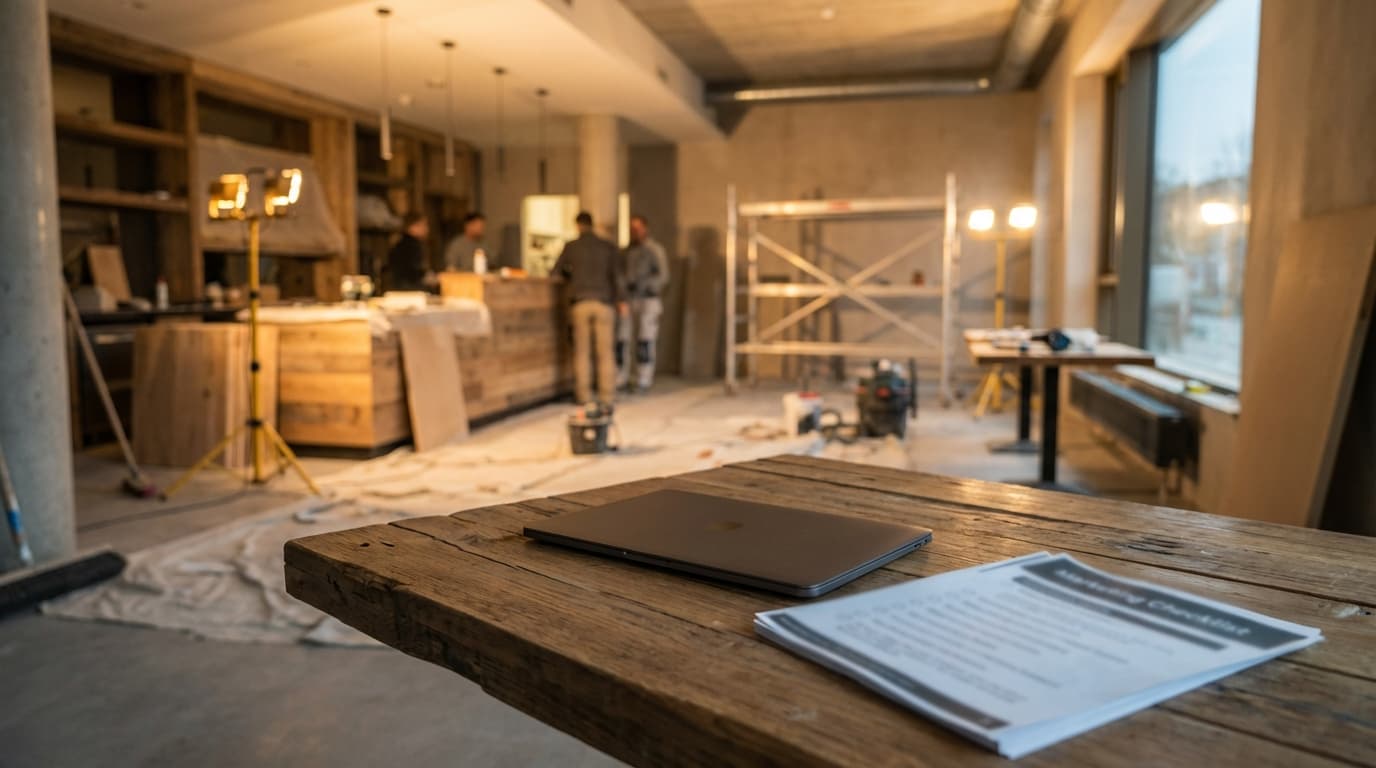
How do you ensure your new concept isn’t part of the 65% of restaurants that fail in their first year? Success requires a marketing engine that converts local curiosity into cash flow weeks before the first plate leaves the pass.
Phase 1: Building the digital foundation
You cannot wait until your doors are open to start selling. Your digital presence must be active while the drywall is still going up. Since 97% of consumers search online for local businesses, you must optimize your Google Business Profile immediately. Use "Coming Soon" posts to capture "near me" search traffic, which has surged 900% in recent years. This digital storefront often receives seven times more views than a standalone website, making it your most valuable piece of online real estate.
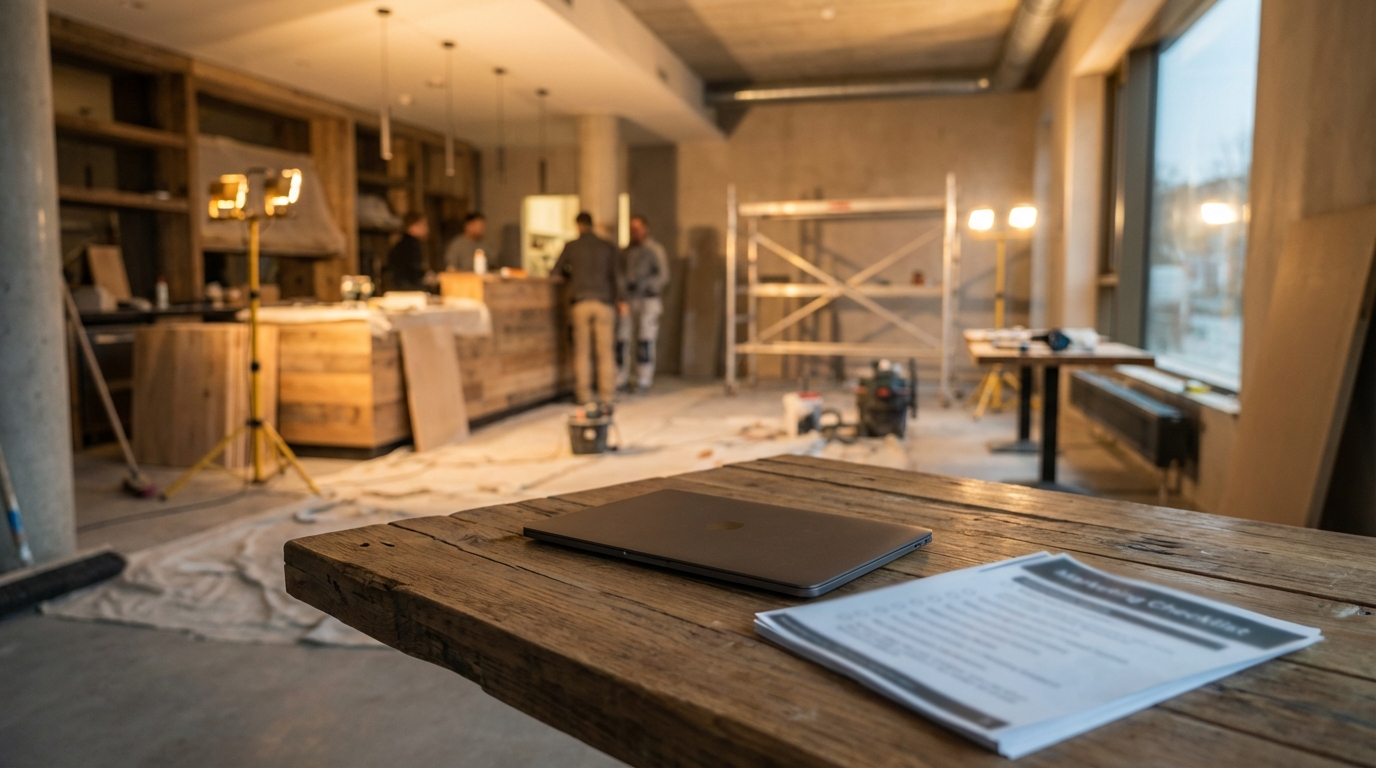
In addition to search visibility, establishing a "Coming Soon" landing page is essential for capturing lead data. Offering a "Founding Member" incentive – such as an invite to a VIP preview – helps build a database of local diners before you ever flip the sign to open. Visuals are the primary driver here; professional food photography can increase menu-item sales by up to 30%. Invest in a high-quality shoot of your signature dishes early to fuel your social media and local PR efforts.
Phase 2: Generating pre-launch buzz
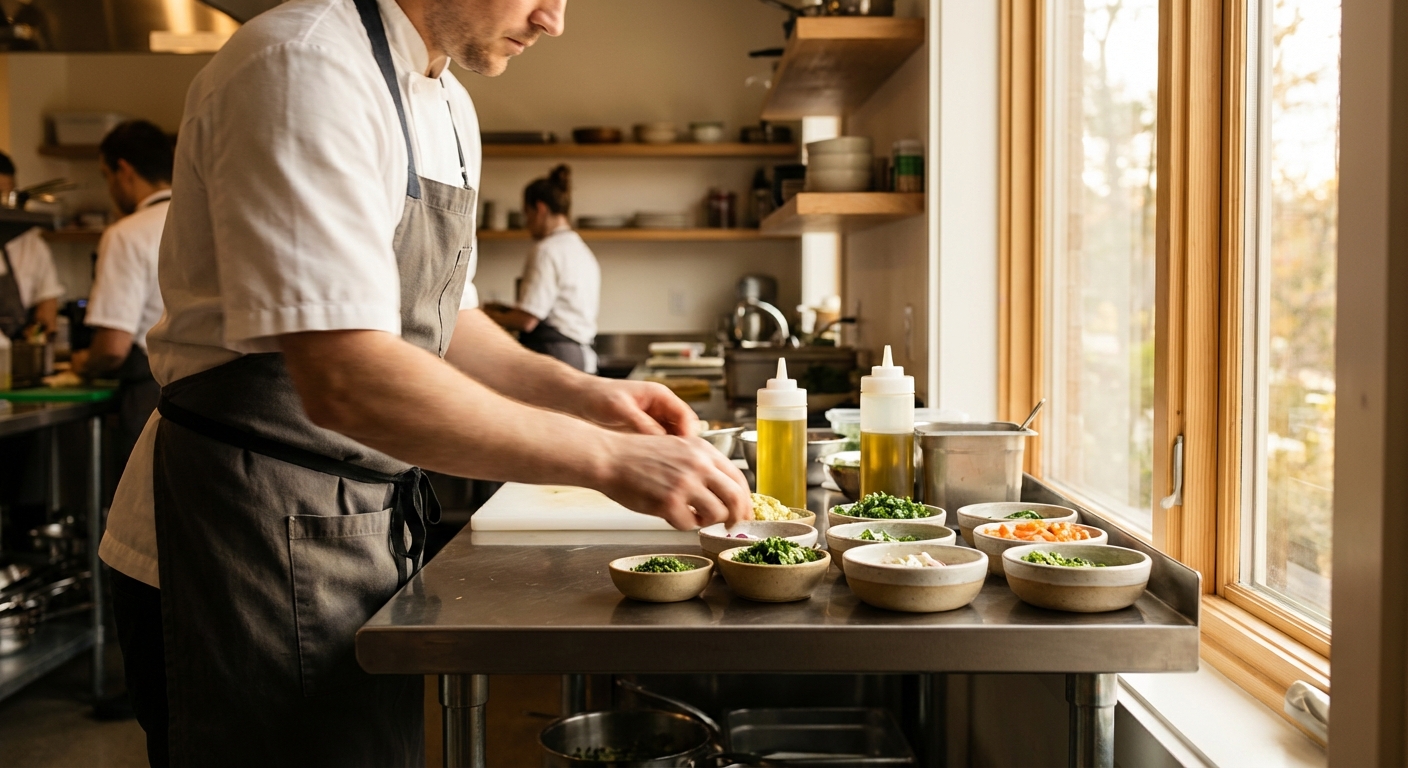
Once the foundation is set, turn your concept into a community talking point. Use Instagram and TikTok to share behind-the-scenes content, such as time-lapses of the kitchen build-out or chef "mise en place" videos. These "teases" build authenticity and humanize the brand. To amplify this reach, target local nano-influencers with 1,000–5,000 followers. These creators often have higher engagement rates and deeper geographic relevance than major celebrities. Invite them for a private tasting in exchange for a dedicated Reel or Story to drive measurable discovery.
Do not ignore your physical neighbors. Local store marketing builds authentic connections by partnering with nearby offices, gyms, or boutiques. Offering these groups an exclusive "neighborhood-only" preview creates a sense of belonging and ensures a steady stream of foot traffic from people who work or live within a five-mile radius of your front door.
Phase 3: The soft opening
Approximately 70–80% of restaurants conduct soft openings to serve as operational trial runs. This isn't just a rehearsal; it is a data-gathering mission. Use this period to stress-test your all-in-one POS system. You need to ensure that your staff can handle delivery orders, in-house tickets, and loyalty sign-ups on a single device without a "tablet farm" creating chaos at the host stand.
Furthermore, use this time to implement a two-touch confirmation system for reservations, which can reduce no-shows by up to 30%. Capturing customer feedback via digital surveys during the soft opening helps you identify kitchen bottlenecks or service friction before the official launch. It is better to fix a slow steak-prep station now than to see it mentioned in a one-star review on your first Saturday night.
Phase 4: The grand opening week
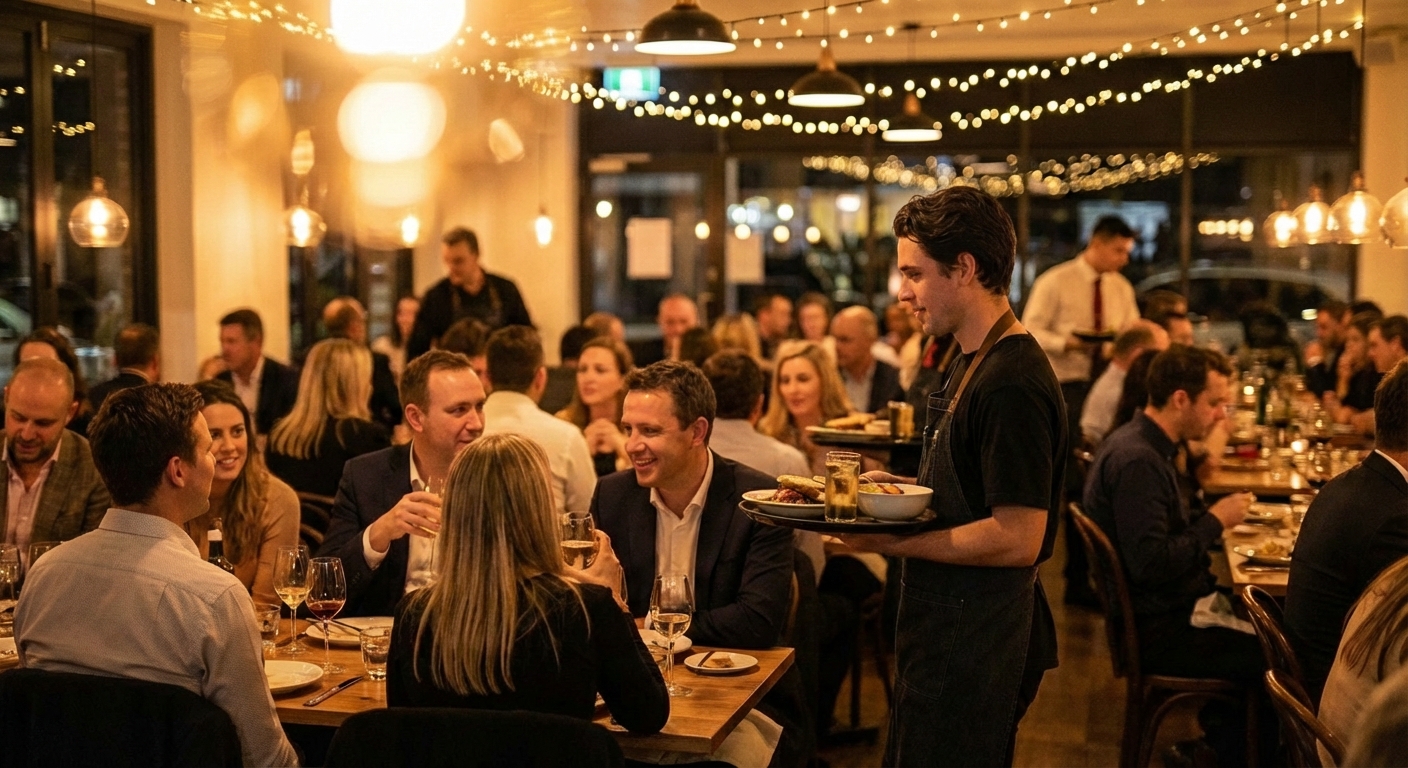
The goal of your grand opening isn't just to fill seats – it's to capture guest data. Every person who visits during opening week should leave with a reason to return. A "bounce-back" offer, such as a credit toward a future visit, is highly effective when triggered automatically through your loyalty program. This turns a one-time curious visitor into a repeat regular.
Data capture must be effortless. If the enrollment process is too slow, your staff will skip it during a busy rush. Spindl’s POS is specifically designed to be "Grandma-proof," meaning it passed usability tests with a 5-out-of-5 success rate for simplicity. It is fast enough to enroll guests in your loyalty program in seconds, ensuring you don't lose the opportunity to market to them later.
Phase 5: Post-opening retention and ROI
Acquiring a new customer is 5–25 times more expensive than keeping an existing one. Once the initial buzz fades, your marketing must shift from discovery to frequency. Set up marketing automation to re-engage guests who haven't visited in 30 days. This keeps your brand top-of-mind and protects your margins.
Email marketing for restaurants remains one of the highest-ROI channels available, often returning $36–$42 for every $1 spent. Finally, stop guessing which tactics are working. Use real-time analytics to see which channels – Instagram, local partnerships, or email campaigns – are actually driving covers and increasing your average check size.
Executing a successful restaurant marketing plan on a tight budget requires consolidation. Instead of paying for multiple disconnected software subscriptions, use a single platform that unifies your operations.
Ready to streamline your launch? See how Spindl powers the next generation of restaurants.